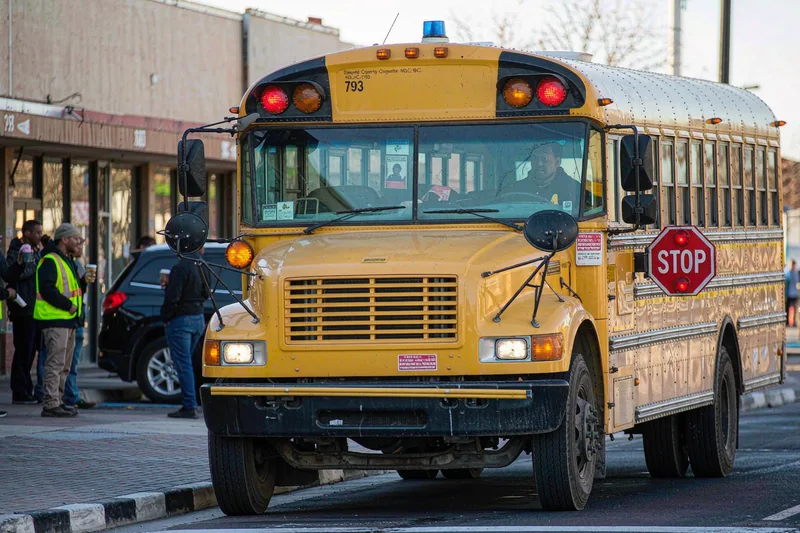
Passing a school bus with its stop arm extended is one of the few traffic acts treated as a serious offense even at low speed, because the law protects children at their most exposed moment. The fine is steep, the points are real, and camera programs now catch what officers could not see. The brief shortcut past a bus is among the costliest seconds on the road.
When the Arm Means Stop
The rule is simple: when the arm is out and the lights flash, drivers in both directions on most roads must stop, with limited exceptions only on divided highways where the median separates the lanes. The geometry of the road, not the driver's hurry, decides the duty. Misreading the median is the excuse that does not survive the citation in court.
The Camera Programs
Many districts now equip buses with cameras that capture the passing vehicle and its plate, so a violation no officer witnessed still produces a ticket by mail. The program removes the luck of being seen and turns every bus into an enforcement post. The remote citation carries the same penalty as one written at the curb by a patrol officer.
Penalties That Climb
A single pass can bring a four-figure fine, points, and sometimes a license suspension for repeat offenses within a window. The staircase is deliberate, because the act is treated as a child-safety violation rather than a mere moving infraction. The cost rises with the pattern, and the first offense already stings the driver's wallet.
Points and the Record
The violation adds points that compound with any other moving offenses, and in some states a school-bus pass is weighted more heavily than a routine speeding ticket. The record effect is the quiet burden that surprises drivers who saw only a fine. The points outlast the payment and can push a marginal record into a suspension.
Defending a Camera Ticket
Defenses are narrow: proving the arm was not out, the road was a divided highway, or the vehicle was not yours are the realistic avenues. The camera footage is hard to dispute on mere oversight, because the duty is strict. The successful challenge attacks the facts the camera recorded, not the driver's intent or a claim of not noticing.
Stop-arm laws are strict because they guard children, so assume the bus camera saw you and the fine is real before you decide to pass. Learn the divided-road exception, expect points that compound, and recognize that the defense is factual, not apologetic. The seconds saved past a stopped bus are never worth the penalty and the risk the law exists to prevent.
If you receive a stop-arm citation, check whether your road was truly divided by a physical median, because that narrow exception is the only common factual defense and many drivers misjudge a turn lane as a divider. Save the bus camera image the agency sends and compare it to the roadway, since the footage is the evidence you must rebut. A careful read of the scene, not a claim of not noticing, is what gives the citation any chance of being overturned.