Electric bikes and scooters have flooded city streets faster than the laws explaining them, leaving riders unsure where they belong. The devices sit in a gray zone between a bicycle and a motor vehicle, and that ambiguity is where most citations and crashes begin. What feels like a bike is often regulated as something closer to a moped.
Which Class You Are Riding
Many states sort e-bikes into classes by speed and whether the motor assists only while pedaling, and the class decides where you may ride and how old you must be. A throttle device that reaches higher speeds is treated more strictly than a pedal-assist one. The label on the bike, not the rider's intent, sets the rule that applies on the road.
Where Riding Is Allowed
Trails, sidewalks, and bike lanes each carry their own permission or ban, and the same scooter legal on a road may be forbidden on a path a block away. The patchwork means a lawful ride can become a citation by turning a corner. Knowing the local map of allowed surfaces prevents the avoidable stop that surprises new riders.
Age and Helmet Gaps
Minimum ages and helmet duties vary sharply, with some places requiring a helmet for every rider and others only for minors, and the gaps are exactly where injuries and citations cluster. A rider who assumes uniformity across towns misjudges personal exposure. The local rule, not the habit, is what applies to the device you are on.
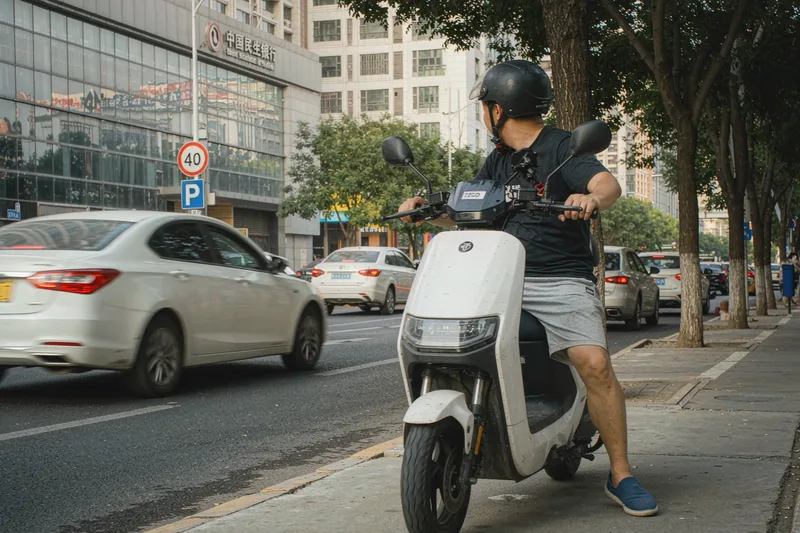
After a Crash, the Insurance Question
Because these devices fall between bike and motor vehicle, the insurance answer is unclear, and a homeowner or auto policy may or may not respond to a crash. The ambiguity is the risk riders discover only after the fall, when the coverage they assumed is silent. Confirming the reach of your policy before the ride is the prudent step that prevents a surprise.
Sharing the Space With Pedestrians
Sidewalk riding, where allowed, places the device among foot traffic with the lowest speed tolerance, and a collision there is almost always the rider's fault. The duty to yield to pedestrians is strict, and the small vehicle carries the larger obligation. The courtesy the law demands is also the liability shield that protects the rider.
E-bikes and scooters are regulated by class, surface, and local rule rather than by feel, so learn which device you ride and where it may go. Mind the age and helmet gaps that vary by town, and confirm whether your policy reaches a crash before you need it. The gray zone rewards the rider who checks the rule, and punishes the one who assumes the bike lane settles everything.
If you are new to a device, photograph the class label and keep the local ordinance saved on your phone, because the rule that applies to your exact model is the one officers cite, and most riders cannot name it on the spot. Ride at a speed that lets you yield to anyone on foot, since the pedestrian collision is the fastest way to turn a legal ride into a fault finding. A minute of preparation before the first trip prevents the citation and the coverage gap that catch unprepared riders.