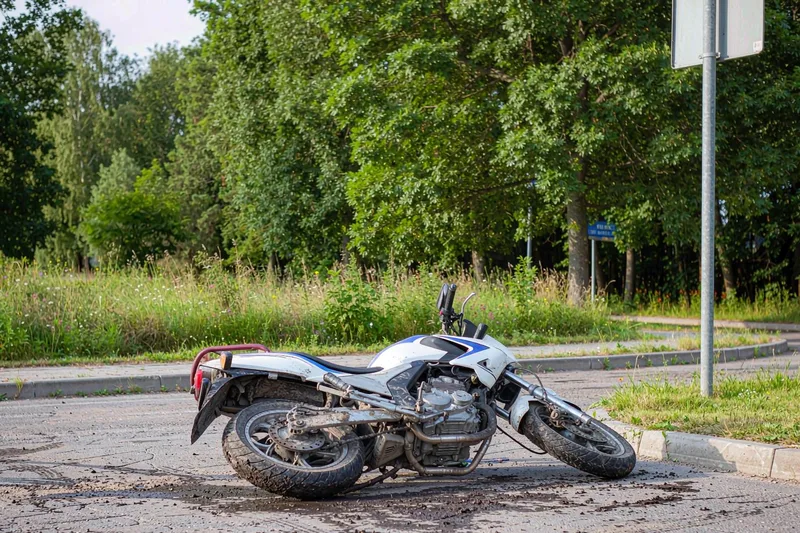
The signal changed, you stepped into the crosswalk, and the impact came from a direction you never saw. In the moments after, the question of fault feels obvious to you and utterly contestable to the driver's insurer, which is exactly why pedestrian cases turn on details rather than sympathy.
Right of Way Is Not Automatic
Crosswalk status and signal timing decide the baseline, but jaywalking or stepping outside the marked path shifts fault toward the pedestrian in many states. The law grants priority at the proper place and time, not everywhere at once. A driver who struck someone in a painted crosswalk on a walk signal starts from a weak position; one who hit a person darting between parked cars starts from a stronger one.
Comparative Fault Can Cut Your Claim
Most states reduce the pedestrian's recovery by their share of the fault, so even a clearly struck walker can see the payout shrink if they stepped out against a clear signal. A few states bar recovery entirely above a fault threshold, which makes the percentage the whole ballgame. The contrast between a 10 percent reduction and a barred claim is the difference one fact can make.
The Driver's Duty Against Yours
A motorist owes a heightened duty of care near pedestrians, especially in urban crossings, while the pedestrian owes the duty to use the crossing reasonably. When both breach, the case becomes a calibration of who departed from care further. That shared-duty framing is why insurers push hard on the pedestrian's conduct: it is the lever that lowers the number.
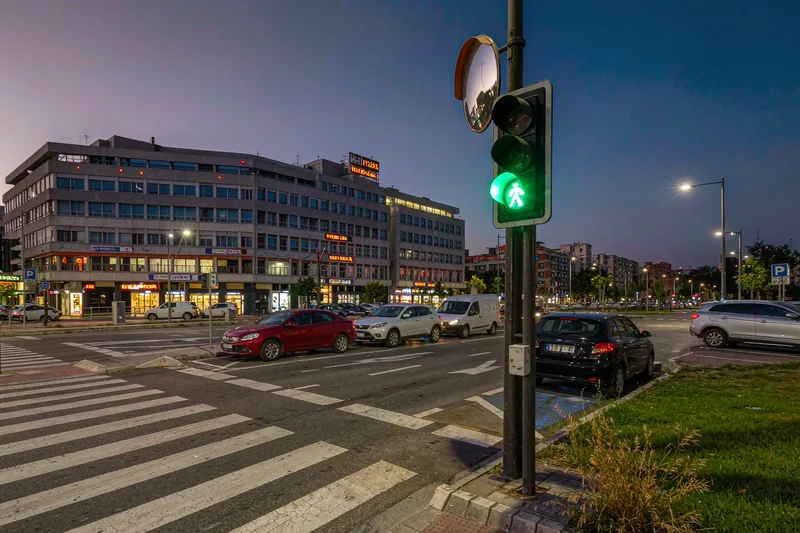
Evidence That Vanishes in a Day
Skid marks fade, the signal timing resets, and witnesses scatter faster than most people expect, so the early hours are when the case is built or lost. Photograph the crossing, note the light state, and collect witness contacts before leaving if you are able. A claim argued months later on memory alone is a claim the insurer can quietly discount.
What to Do in the First Day
Seek medical care even for seeming minor pain, because pedestrian injuries commonly surface late, and the record dated to the incident is what links cause to harm. Request the police report, keep every receipt, and avoid a recorded statement to the other insurer before you understand the fault picture. The first-day steps are dull but they are the skeleton of whatever claim follows.
Pedestrian cases are won on the crossing facts and lost on delay, so act as if the clock started at impact. Confirm the right-of-way status, document before the scene changes, and understand that partial fault only reduces, it does not erase, your claim in most states. The sympathetic story helps; the dated evidence is what carries it.
If you were the pedestrian, write your account the same day while the light timing and the car's approach are still clear, because memory compresses these details within hours of the event. A signed, dated statement in your own words becomes the anchor if the driver's story drifts later on. Injured people who wait to be asked often find the report already written by someone else, and correcting it afterward is far harder than recording the truth fresh while it is still sharp.