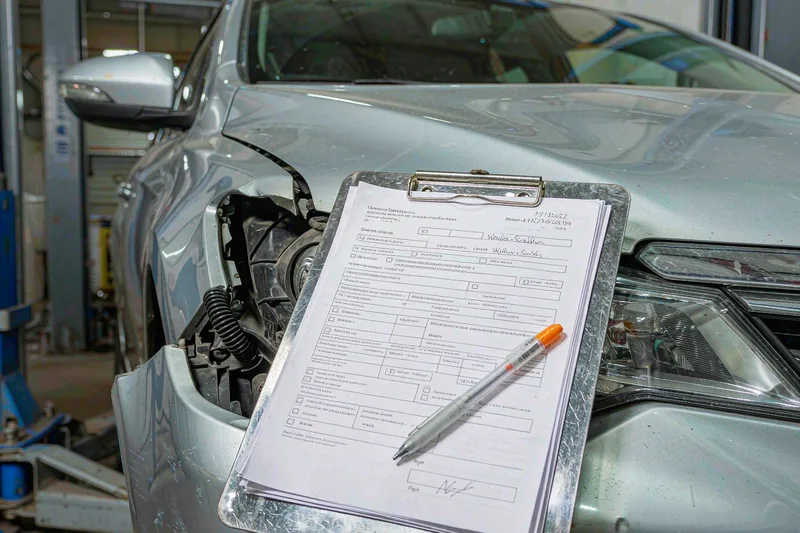
When the insurer calls your car a total loss, the number they offer first is a starting point, not a verdict. The payout is negotiable in most states, and the gap between the opening figure and a fair one is often wide enough to be worth the effort of a calm, documented push.
How a Total Loss Is Decided
The insurer compares the estimated repair cost to the vehicle's actual cash value, and once repair exceeds a set percentage of that value, the car is written off. That threshold varies, commonly around 70 to 75 percent, which means a car worth modest money can be totaled by damage that looks fixable. Knowing the trigger explains why your repairable-looking car became a valuation case.
Actual Cash Value Is the Target
You are owed the vehicle's market value the day before the crash, not what you paid or what a new one costs. That figure is built from recent sales of similar cars nearby, adjusted for mileage and condition. The insurer's number and your expectation diverge most when condition adjustments are applied harshly, which is the first place a negotiation should look.
The Comparables They Use
The valuation report lists comparable vehicles the insurer claims set your price, and those listings are where disputes live or die. A comparable with higher miles, more wear, or a different trim silently drags your value down, while a like-for-like example supports a higher number. Scanning the report for mismatches is the most concrete leverage a claimant has, far more than arguing in the abstract.

Negotiating the Payout Up
A written counter with three clean local listings at your condition level moves the offer more than any phone complaint. Recent service records, new tires, and low mileage are legitimate value you can document, and the adjuster can often adjust within authority once the evidence is on the table. The process is a negotiation with a known method, not a take-it-or-leave-it ultimatum.
Keeping the Car Afterward
Many states let you retain a totaled vehicle by accepting a reduced payout and a salvage title, which can make sense if the damage is cosmetic and you can repair it yourself. The trade is a permanently branded title and possible resale penalty, so the math only works for a car you intend to keep. Weigh the retained value against the long-term mark before agreeing.
Treat the total-loss offer as the opening bid it is: confirm the threshold that triggered it, scrutinize the comparables, and counter with your own listings and records. The drivers who recover fair value are the ones who treated the valuation report as a document to audit, not a number to accept.
Before accepting, pull three local listings of identical cars in your condition and send them with your counter, because the valuation report almost always understates the comparable set it drew from. The adjuster working from a thin sample will not widen it for you; the initiative has to come from your side of the table. A short list of real cars is the most persuasive sentence in the whole negotiation and costs only a few minutes of searching online before you reply.