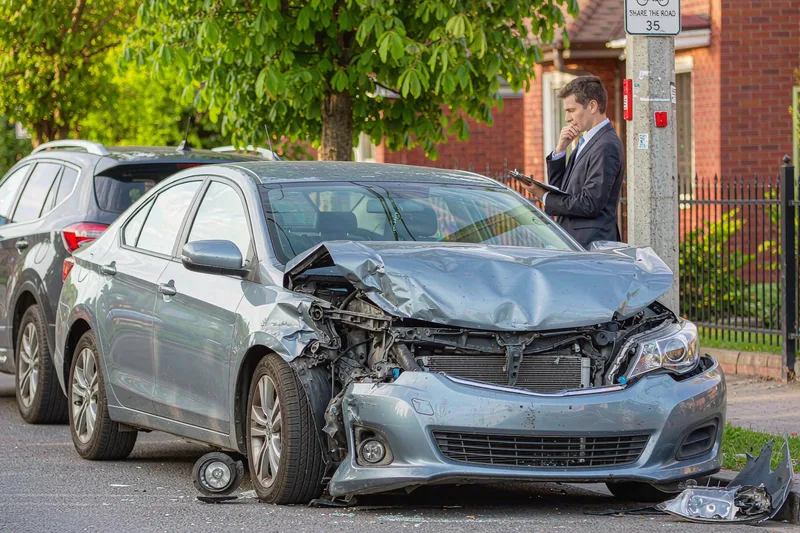
If your car were totaled tomorrow, would the insurance check cover what you still owe? For many recent buyers the answer is no, because a vehicle's value drops faster in the first years than the loan balance shrinks. Guaranteed Asset Protection, or GAP, exists precisely for that gap.
The Gap Between Owe and Value
Standard insurance pays the car's actual cash value at the moment of the loss, but a loan taken at full price with a small down payment can owe more than that amount for a long stretch. GAP covers the difference so you are not making payments on a car you no longer have. The gap is widest early in the loan and closes as equity builds, which is why timing matters most at purchase.
Who Needs It Most
Buyers with a low down payment, a long loan term, or a vehicle that depreciates quickly benefit the most, because their owed balance sits above market value the longest. Someone with a large down payment and a short loan may never enter the gap at all. Comparing your likely balance curve to the car's value curve tells you whether the product protects a real risk or insures a thin one.
Where It Lives on a Lease
Leases almost always build GAP-style protection into the contract, because the lessor owns the car and cannot accept the depreciation risk alone. That embedded coverage is why lease drivers rarely need to buy a separate policy, while financed buyers must choose it. The same protection, two ways of paying, and the lease version is rarely optional.
What It Does Not Cover
GAP pays the loan difference, not your deductible, not missed payments from before the loss, and not any extended-warranty balance rolled into the loan in some cases. A driver expecting a clean slate is often surprised that the deductible still comes out of pocket. Reading the exclusion list prevents the false comfort of assuming the gap covers everything attached to the loan.
Buying It Without the Markup
Dealers frequently offer GAP at a premium rolled into the loan with interest, while many insurers sell the same protection as a cheap add-on to the auto policy. The coverage is identical in function, but the price can differ by a wide margin depending on where you buy it. Asking your own insurer before signing the finance office paperwork usually saves the markup.
GAP is a narrow, useful product for a specific risk: owing more than the car is worth after a loss. Decide by your down payment and loan term, not by the finance office's urgency, and buy it where it is cheapest. For the right buyer it prevents a debt that outlives the car; for the wrong one it is a small waste that costs little to avoid.
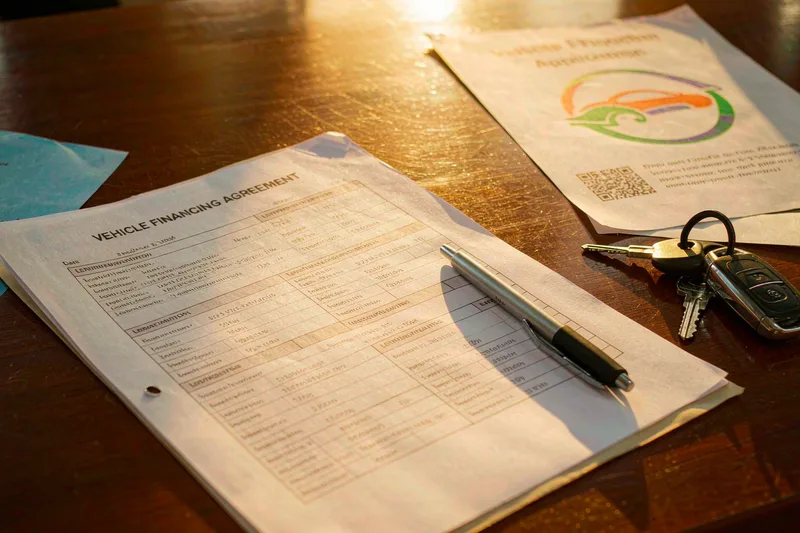
Read the loan papers for the gap wording before you sign, because some finance offices bundle it into the contract where the price is invisible and the markup is buried. Knowing whether you already bought it, and where, prevents paying twice and lets you comparison shop the standalone version your insurer sells for less. The clause tucked into the paperwork is the one that decides whether the product protects you or simply pads the dealer's margin on the deal.