You report the claim on your phone before the tow truck leaves, and then the real process starts where most people get lost. The filing is a formality; what follows is a sequence of decisions made by an adjuster whose job is to close the file at a fair-but-contained cost, not to maximize what you receive.
The First Report Sets the Tone
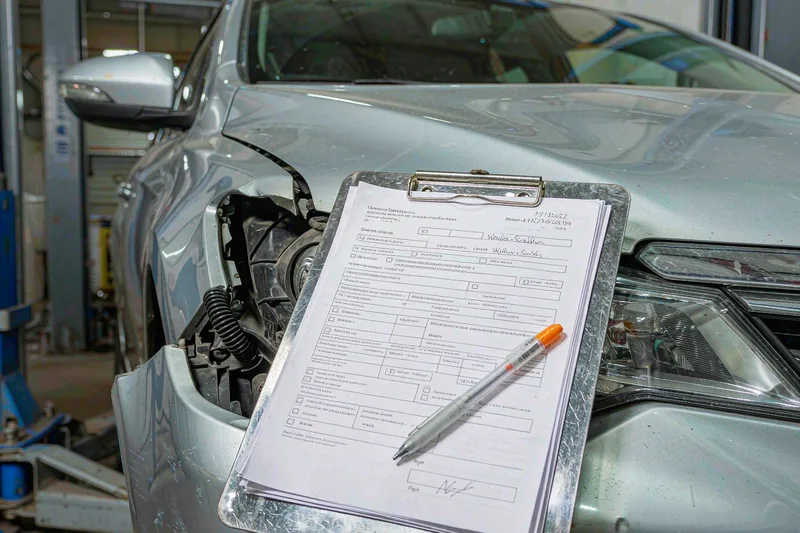
The details you give at intake become the spine of the whole claim, so accuracy beats speed. The date, the location, the other driver's policy number, and the photos you took at the scene are what the adjuster returns to again and again. A vague first report forces the insurer to fill gaps with assumptions, and those assumptions rarely favor the claimant.
The Adjuster Works for the Insurer
Your adjuster is a trained evaluator, not a neutral referee, which is the single fact most drivers forget. They compare your account to the police report, the estimate, and the other party's story, then propose a number. Understanding that role reframes the conversation: you are providing evidence to a professional skeptic, not explaining yourself to a friend.
Repair or Total, Two Separate Paths
If the repair cost crosses a state or insurer threshold relative to the car's value, the vehicle is declared a total loss and the claim shifts from fixing to valuing. A repairable car and a totaled one follow entirely different math, and the threshold is lower than many expect. Knowing which path you are on tells you whether to argue about the repair bid or the payout figure.
The Rental Car Question
Rental reimbursement is a separate line on your policy, not an automatic right, so check whether you bought it before assuming a free car appears. Without that coverage the insurer may still owe a comparable ride if their insured caused the crash, but the terms vary widely. Asking early avoids a week of out-of-pocket commuting you could have claimed.
Disputing the Number They Offer
The first offer is negotiable in most property claims, and a written counter with comparable listings or a second estimate moves it more than frustration ever will. Document every call with a date and a name, because the paper trail is what a supervisor will honor if the front-line adjuster will not budge. A calm, evidenced dispute is a normal part of the process, not a confrontation.
The claim succeeds when you treat it as a documented negotiation rather than a request. Report precisely, understand the adjuster's role, identify the repair-or-total path early, confirm rental coverage, and keep a written record of every figure. The drivers who recover fully are the ones who treated the first offer as the opening bid it actually is.
Name a single point of contact at the insurer and route every call through that person when possible, because bouncing between representatives multiplies the chances a detail is lost between them. Note the claim number on the first call and repeat it each time so the file stays one, not five fragments. The claim that feels smooth is usually the one with a consistent paper trail and a number everyone agrees on from the start, which is a habit you set rather than luck you hope for.