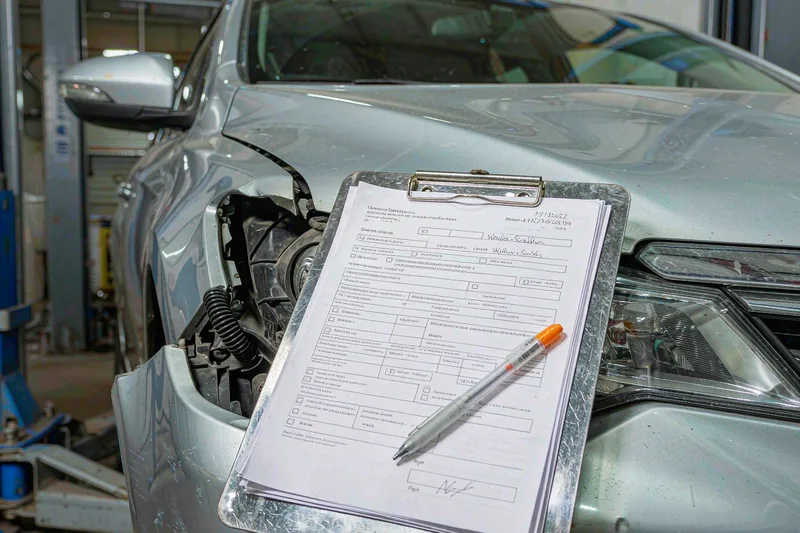
Roughly one driver in eight on the road carries no insurance, which is the quiet reason your own policy includes a line for the uninsured. That coverage is the backstop that turns a hit-and-run or a bare-minimum driver from a dead end into a payable claim under your own policy.
What the Coverage Actually Pays
Uninsured-motorist protection steps in for bodily injury when the at-fault driver has no insurance or cannot be identified, covering medical costs and, in many policies, lost income up to the limit you selected. Underinsured-motorist coverage handles the gap when the other driver's policy is too small for the harm they caused. The two lines are distinct, and both matter once bills arrive.
It Covers More Than the Car
This protection is about people, not metal, which surprises drivers who assume their collision coverage already handles everything. Collision fixes the vehicle regardless of fault, but it does nothing for your hospital bill when the other party is blank. The contrast is the point: one pays the shop, the other pays you, and you usually need both after a serious crash.
Stacking Rules Vary by State
Some states let you combine, or stack, the uninsured limits across multiple vehicles on one policy to raise the available amount, while others forbid it entirely. The same policy can behave differently across a state line, so the limit printed on your declarations page may not be the ceiling if you live where stacking is allowed. Reading that one rule can double what you can recover.

When You File Under Your Own Policy
Using your uninsured coverage is not an admission that the crash was your fault, and it generally does not raise your rate the way an at-fault claim would, though state rules differ. The practical move after a suspected uninsured hit is to report it promptly and let your insurer pursue the other party. Delaying can forfeit the coverage, because most policies require early notice.
The Limits You Yourself Chose
The amount available is the limit you picked when you bought the policy, often matching your liability limit if you chose to align them. Drivers who accepted the state minimum to save a few dollars discover too late that the same thin number now protects them, not just others. Reviewing that limit at renewal is the cheapest insurance against being underprotected when someone else's lack of coverage becomes your problem.
Uninsured-motorist coverage is the line you hope never to use and are glad exists the moment you need it. Confirm you carry it, understand whether your state stacks, and set the limit at a level that would actually cover a real injury. The driver who hit you may have nothing; your own policy is what stands in for them.
At renewal, raise the uninsured limit to match your liability limit if your state allows it, because the few dollars of premium buy protection against the driver who carries nothing at all. Most people set it once and forget it, then discover the thin number only when they need it after a crash. A five-minute call to your agent to align the two limits closes a gap you hope never to test but will be glad exists the moment an uninsured driver hits you.