You open the renewal notice and, instead of a date, there is a points total you barely remember earning. The system that produced that number runs on its own schedule, and understanding it is the difference between a routine renewal and a surprise suspension.
How the Points Are Counted
Each moving violation adds a set number that varies by offense, and the total is what triggers action, not any single ticket. A minor infraction might add two, a serious one six, and the state draws a line where the cumulative count forces a response. Comparing two small tickets to one large one shows the same math the bureau applies: it is the running tally, not the drama, that matters.
The Threshold That Triggers Action
Most states set a limit, often around 11 or 12 points within a defined window, at which the license is reviewed or suspended. Reaching it is rarely sudden; the points accumulate quietly across a couple of years of minor stops. The danger is the slow build that crosses the line while you assumed each ticket was forgotten the moment you paid.
Defensive Courses Buy Room
A large number of states let a completed driver-improvement course subtract points or prevent a suspension once per period. The course is the one lever you control directly, and using it early beats begging at the hearing later. Some jurisdictions cap how often it helps, so timing the class before you approach the limit is the play, not after.
State Clocks Are Not Aligned
Points often expire on one schedule while the suspension review runs on another, and the two rarely reset together. A point can vanish from your total yet still count toward an action taken before it aged out, which confuses drivers who checked only the visible number. Read the state's own schedule rather than trusting a friend's experience from another jurisdiction.
Renewal After a Hold
If a hold is active, renewing online will simply fail, and clearing it usually means satisfying the underlying requirement and paying a reinstatement fee before the system releases the license. The fix is procedural and fast once the cause is met, but the hold blocks everything until then. Resolve the root, then renew, rather than retrying the same failed transaction.
Track your own points the way the state does, not the way you remember, and take the course before the line is crossed. The renewal surprise is almost always a clock you did not know was running. A single afternoon of checking the official record and scheduling the class prevents the cascade that turns small tickets into a suspended license.
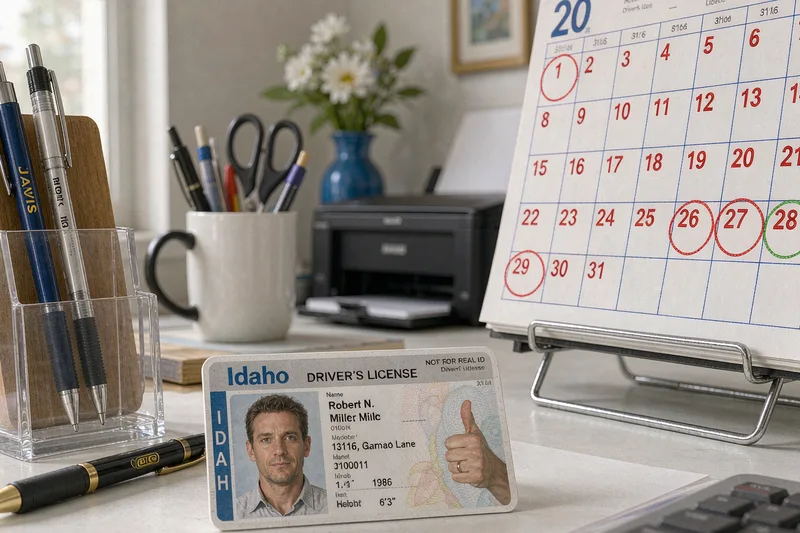
Set a calendar reminder for the day your oldest points are scheduled to expire, because the drop can pull you back under the threshold and improve your renewal outcome. Drivers who never track the date are surprised twice: once by the slow accumulation, and once by the reset they did not know was coming. The reminder costs nothing, takes a minute to set, and turns an invisible clock into a managed one you actually control.