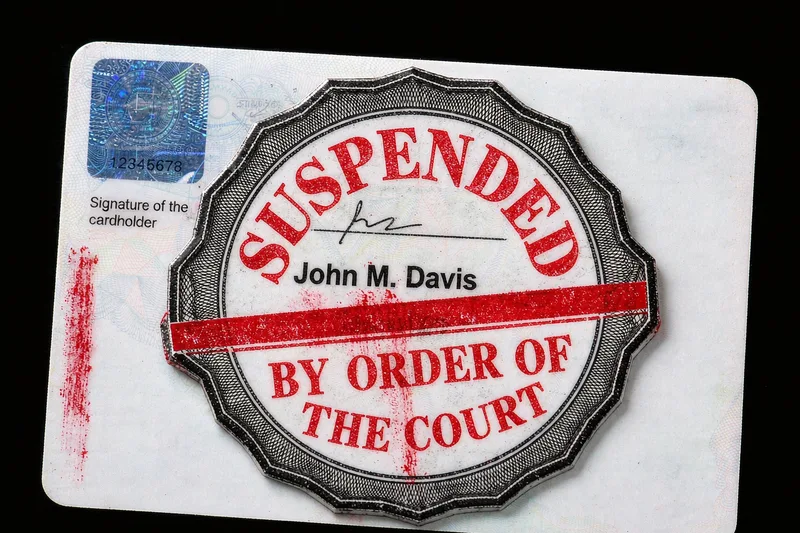
Most suspensions are not final the day the notice arrives; a large share can be delayed, reduced, or overturned with a single properly filed step. The catch is that the step has a deadline measured in days, not weeks, and missing it converts a fixable problem into a finished one.
Why the Suspension Was Issued
Suspensions fall into a few buckets: unpaid fines, a DUI-related administrative action, a points threshold, or a failure to appear. Each bucket has its own reversal route, so the first job is naming the cause printed on the notice. Treating a debt-related suspension like a DUI suspension wastes the appeal, because the hearing officer can only fix the specific ground the state cited.
The Appeal Window Is Short
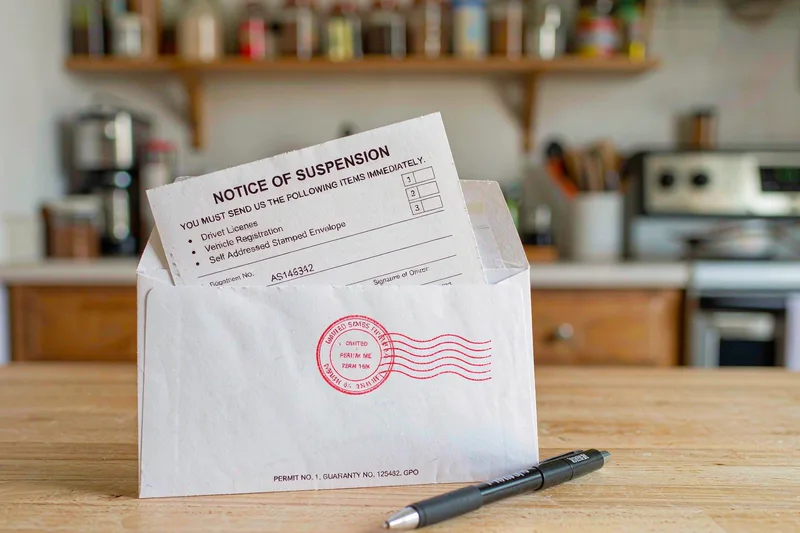
Many jurisdictions give you a narrow window, often around 10 to 30 days depending on the cause, to request the hearing that pauses the suspension. File inside it and the penalty is held while you argue; file late and the sanction runs regardless of your defense. This clock is the single most important date on the paper, more urgent than the suspension start date printed below it.
Hardship Licenses Exist for a Reason
A large number of states offer a restricted or hardship license that lets you drive to work, school, or medical care during the suspension. Applying is a separate step with its own form and fee, and it is routinely overlooked because the notice never leads with the good news. Comparing a full suspension to a restricted one is the difference between stranded and merely inconvenienced for the same offense.
What the Hearing Officer Actually Weighs
At the appeal the officer reviews whether the process was followed, not whether the underlying conduct was sympathetic. Proof that you paid the fine, completed the class, or never received the first notice carries weight; a story about a hard month generally does not. Bring the documents that close the gap the state identified, because the hearing is procedural, not theatrical.
Paperwork That Wins the Day
File the request in writing, keep the certified-mail receipt, and set a reminder for the hearing date the moment you mail it. A lost form is the most common reason a winnable appeal fails, and the clerk's office will not chase you. Photograph the notice and the filing confirmation so the record exists even if the originals wander.
Appeal on the timeline, name the correct cause, and ask for the restriction you are entitled to. The suspension notice is an opening move in a process, not a verdict, and the system assumes most people will not respond in time. Beat the clock and you often beat the suspension; ignore it and the paper does exactly what it threatened.
If the cause was unpaid fines, pay through the correct court channel and keep the receipt as the artifact that lifts the hold, because the suspension rarely clears by itself once the debt is settled. The system updates on its own schedule, not yours, and proof of payment is what you show at the counter to drive again. Assuming the matter closed because you paid is the mistake that leaves people illegally licensed for weeks after the fact, with no idea the hold is still active.