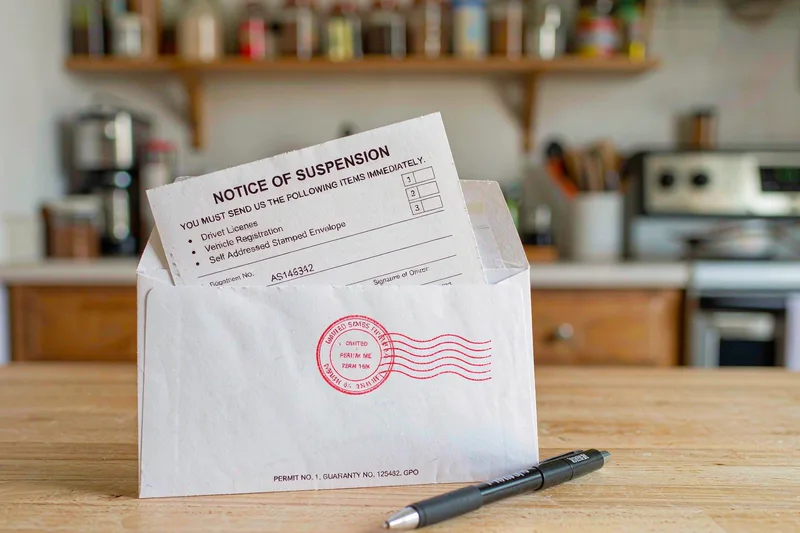
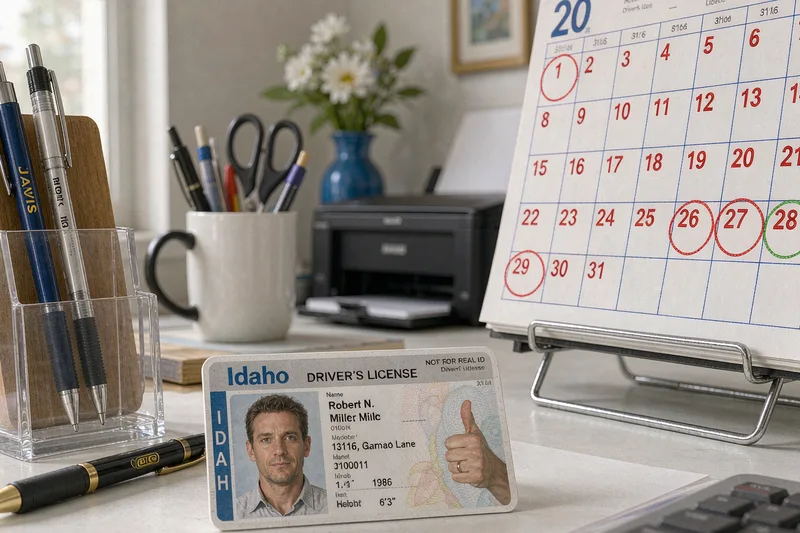
Can a speeding ticket be beaten, or is paying the fine just the cost of a bad afternoon? In a meaningful share of cases the answer is that the ticket is far from airtight, and the difference between a conviction and a dismissal often comes down to which defense the driver actually raises.
The Two Ways a Ticket Falls Apart
A citation usually fails for one of two reasons: the device that measured your speed was unreliable, or the officer's view of the road was obstructed. Those are factual attacks, not complaints about fairness, and they are the only ones a judge is allowed to weigh. A driver who argues that the limit felt too low is making a point the court cannot act on, while one who questions the radar record is raising a real defense.
Calibration Records Beat Your Word
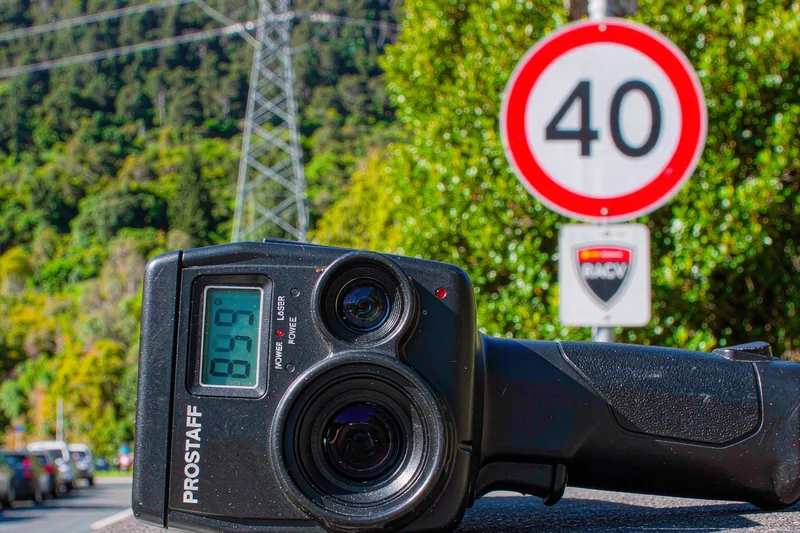
A radar or lidar unit must be tested and logged on a schedule, and the certificate proving it was in tune on the day of your stop is the document that decides the case. Requesting that record through discovery, as you can in many jurisdictions, puts the burden on the state to show the machine was trustworthy. The contrast is stark: your memory of the drive versus a dated, signed calibration log.
The Hearing Is Smaller Than You Think
Traffic court is informal and fast, often a few minutes per case, which makes it far less intimidating than people imagine. The officer may not even appear, and in that absence the charge frequently cannot be proven. Showing up with the right question, not a dramatic story, is what moves the needle, and many drivers win simply because the state's witness is elsewhere that morning.
What Plea Options Usually Exist
Even when the ticket stands, most courts offer a reduction to a non-moving violation that keeps points off your record and the premium steady. That bargain is routinely available and almost never advertised on the citation itself. Asking the clerk about a deferral or a driver-improvement option before the court date can resolve the matter without a hearing at all.
When Paying Is Actually the Smarter Move
If the device was clearly calibrated, the officer is present, and the fine is small, spending a vacation day and a filing fee to fight may cost more than the ticket. The math matters: a dismissed ticket saves the fine and the insurance bump, but a lost fight adds court costs on top. Weigh the likely outcome against the half-day it will take, then choose on purpose rather than from pride.
The reliable path is to request the calibration record, show up, and ask for the reduction if the fight looks weak. Most wins come from procedure, not passion, and the system is built to let a prepared driver walk away clean. Treat the citation as a paperwork puzzle with a known solution, not a personal accusation, and the steps get simple.
Before the court date, request the citation's supporting documents, including the device calibration record, through the clerk using your ticket number. Many drivers never ask and therefore never see the weakness sitting in the state's own file. The request is routine and cheap, and it hands you the exact page the officer will lean on. Arriving with that paper, rather than a story, is what turns a hopeful appearance into a prepared one where you already know the answer.