Driving after a suspension is one of the fastest ways to turn a paperwork problem into a jail-risk one. What started as an unpaid fine or a DUI condition can become a separate criminal charge the moment you are stopped again, and the penalties climb with every repeat.
How They Prove You Knew
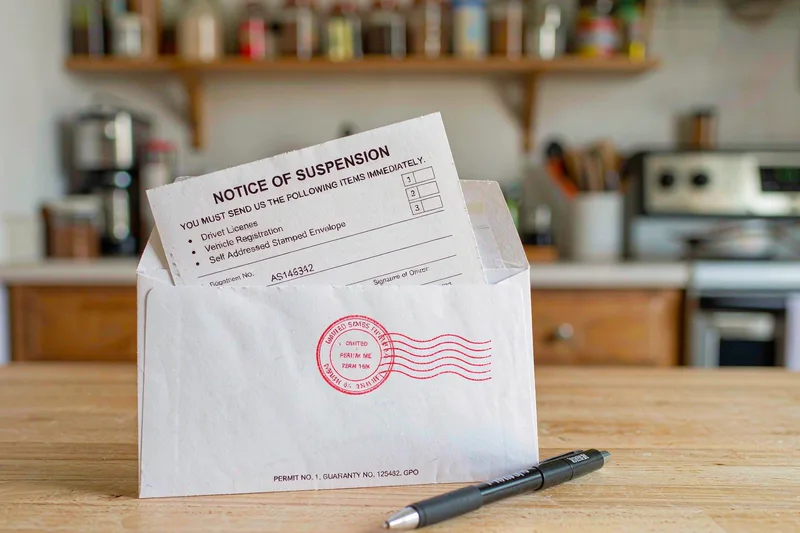
The charge usually requires that you had notice of the suspension, and the state often proves it through the mailed notice or a certified return receipt. Claiming you never got the letter is a weak shield unless you can show the address was current and no delivery occurred. The contrast is between a person genuinely unaware and one the system can demonstrate was told, and the record usually settles it.
The Penalty Climbs Each Time
A first offense in many states is a misdemeanor with a fine and a short possible jail term, while a repeat can lengthen both and, in some jurisdictions, escalate toward a felony after several convictions. The staircase is deliberate: the law assumes the first stop was a warning and treats the next ones as defiance. Each citation adds a rung most drivers did not expect when they started the car.
When a Necessity Defense Applies
A narrow set of cases, such as driving a medical emergency to the only available care, can support a defense that the drive was unavoidable. These are fact-heavy and rare, and they require evidence the need was real and no alternative existed. Treating a convenience as an emergency is exactly the argument that fails, so reserve it for the genuinely unavoidable and document it thoroughly.
Getting Help Before the Next Stop
Addressing the underlying suspension through the appeal or the payment plan removes the risk entirely, and many drivers do not realize how quickly the original cause can be resolved. A hardship license, discussed earlier, lets you drive legally to essential places while the matter clears. Solving the root is cheaper than the cumulative fines of being caught again.
The Reinstatement Trap
Even after the cause is fixed, reinstatement usually requires a fee and sometimes proof of insurance filed with the state, and driving before that step is complete still counts as suspended. The trap is assuming the problem ended when the fine was paid, when the paperwork lag can leave you illegal for weeks. Confirm the license is active in the database, not just in your wallet.
The safe move is unglamorous: clear the original cause, file for the restriction if you need to drive, and verify reinstatement before touching the wheel. The criminal exposure of a repeat stop is the most expensive way to avoid a bus ride, and the system is built to notice the second and third time far more than the first.
Before you drive again, call the licensing agency and confirm the status in the database, not just the card in your wallet, because a cleared cause and a processed reinstatement are two separate steps. The card prints on a delay, and driving during that gap still counts as suspended under the law. A thirty-second phone check converts an assumption into a fact and removes the risk of a second, far worse charge that began as a simple administrative oversight.