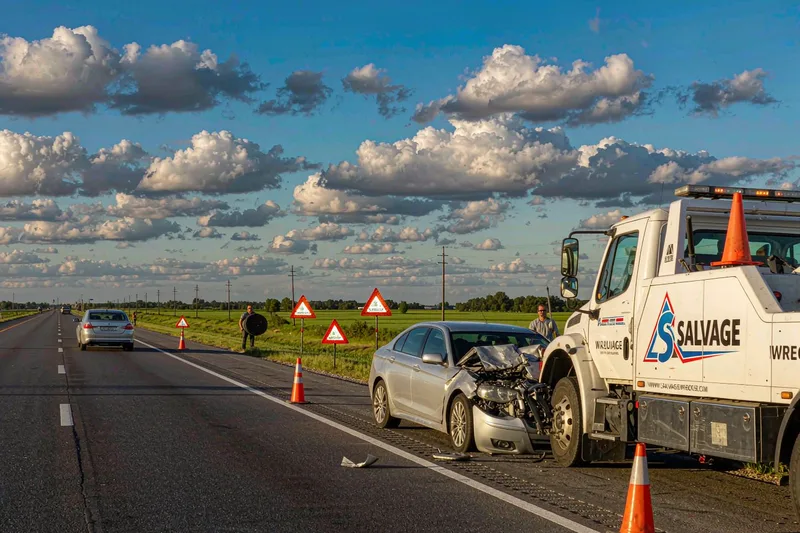
Leaving the scene is treated by most states as a separate offense from the crash itself, and frequently the harsher one. A driver who caused a fender bender and stayed might face a fine, while the same driver who drove off can face a misdemeanor or, when someone is hurt, a felony that reshapes the next several years.
Why Running Turns a Mistake Into a Crime
The original collision is often civil or a minor infraction, but departure removes the chance to exchange details and assist, which the law treats as abandoning responsibility. That shift is why penalties for the flight commonly exceed the penalty for the impact. A moment of panic converts a fixable accident into a charge that carries its own suspension and, in injury cases, possible custody.
What the Abandoned Driver Can Claim
If you were hit and the other car vanished, your own uninsured-motorist coverage is usually the path to recovery, provided you reported the incident promptly. Insurers treat a documented hit-and-run differently from a normal claim, often requiring a police report filed within a short window. The delay between the crash and the report is the detail that decides whether the coverage pays.
Reporting It the Right Way
Call the police from the scene when safe, note the license plate or even a partial number, and describe the vehicle's color and direction. A partial plate plus a timestamped report beats a perfect memory recalled a week later. Many states keep a dedicated hit-and-run unit, and the early report is what lets them act before the trail goes cold.

The Quiet Exception Few Drivers Know
Some states allow a driver who strikes an unattended vehicle to leave a written note with contact details and notify authorities, which can convert a flight into a compliance step. The rule exists precisely because people panic about a parked-car bump; a note left in the windshield with a phone number is the difference between a civil fix and a criminal charge in those jurisdictions.
If You Already Drove Off
Turning yourself in quickly, through counsel if possible, generally reads better than being found later, because voluntary return is a fact a judge can weigh. The worst move is waiting for a knock at the door, since by then the narrative is already written by the other side. Document your version while it is fresh and seek advice before speaking to investigators alone.
The lesson is blunt: the crash may have been minor, but the departure is what the prosecutor counts. Stay, exchange details, assist, and report; if you left, return on your terms rather than theirs. The few minutes of discomfort at the scene are cheap compared with the years a flight can cost.
If you were the one left behind, resist the urge to chase the other car, since a pursuit creates its own liability and its own danger. Pull over safely, call for the report, and put your energy into the details that identify the vehicle. A partial plate and a direction noted promptly matter far more than a glimpse caught at speed. The investigation moves on evidence you secure at the scene, not on a reaction you cannot undo once the other driver is gone around the corner.