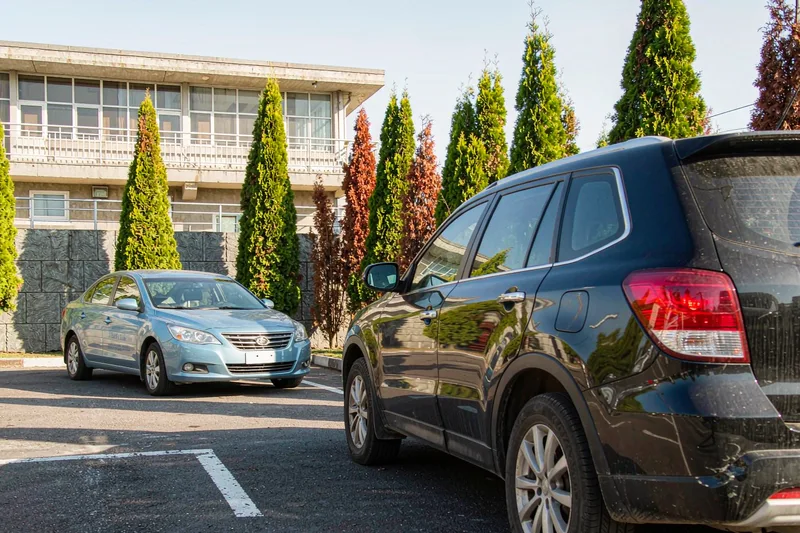
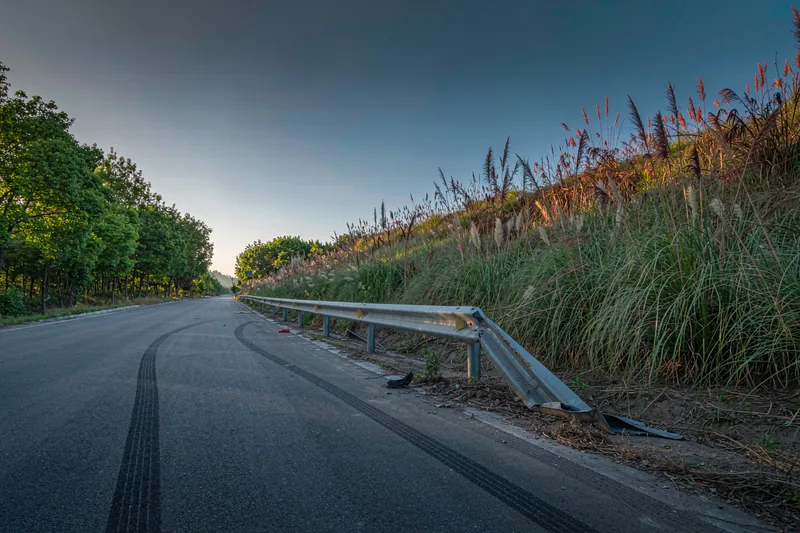
The airbags have just gone off, or maybe they have not, and the first ten minutes tend to decide more than the ten months that follow. Most people remember the shock and forget the details, which is exactly the gap an insurance adjuster will later exploit. A short, repeatable routine at the scene protects you far more than any argument about who was at fault.
The Calls Worth Making First
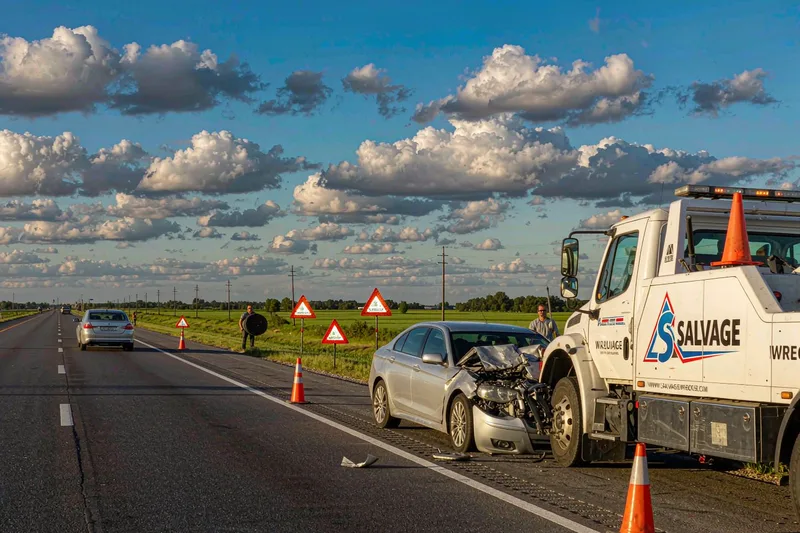
Once everyone is clear of moving traffic, call emergency services if there is any injury, and call the police even for a low-speed bump where the other driver seems agreeable. A formal report creates a timestamped record that the other party cannot quietly rewrite two weeks later. In many cities the report is the single document an adjuster trusts most, so skipping it because the damage looks minor is a trade you usually lose.
Photograph Before Anything Moves
Before the cars are towed or pushed aside, take wide shots of the full scene, close-ups of the damage on both vehicles, the position of the cars, and any skid marks or broken signals. A phone does this in under a minute and the images beat a written description every time. The adjuster comparing your photos to the other driver's story will side with the evidence that existed before the vehicles were moved.
The Report Is Your Cheapest Shield
An insurance adjuster works from a written account prepared by someone paid to limit the payout, while you hold photos, a police report number, and your own notes taken at the scene. Those two versions rarely match, and the one with timestamps and images almost always carries the day. Treat the report and the photos as the same kind of proof: boring in the moment, decisive later.
What to Keep Quiet at the Scene
The one phrase that quietly costs people their claim is an offhand sorry, which a witness can later repeat as an admission. Exchange insurance and contact details, answer the officer's questions factually, and say nothing that assigns blame before you know the full picture. A calm, factual exchange leaves the fault question to the evidence instead of your nerves.
A Practical Sequence to Memorize
Move to safety, check for injuries, call for a report, photograph, then exchange details and write down the time and location. Request the report number before you leave, because chasing it a month later means a phone tree and a fee in some states. Set a reminder to request the final report once it is filed, and keep every email and estimate in one folder so the claim stays easy to find.
The pattern that wins is boring on purpose: document first, talk least, and let the paper trail do the arguing. People who improvise at the scene spend months reconstructing what a two-minute photo would have settled. Do the routine once and it becomes muscle memory, which is the only thing reliable when your adrenaline is doing the thinking for you.
Keep every document in one place from the first hour. A single folder, on paper or in the cloud, that holds the report number, the scene photos, the repair estimate, and each email turns a confusing claim into a file you can open in two minutes. People who scatter these across message threads spend weeks hunting the one line an adjuster needs. Avoid the risk of a lost report number by writing it down before you leave the scene.