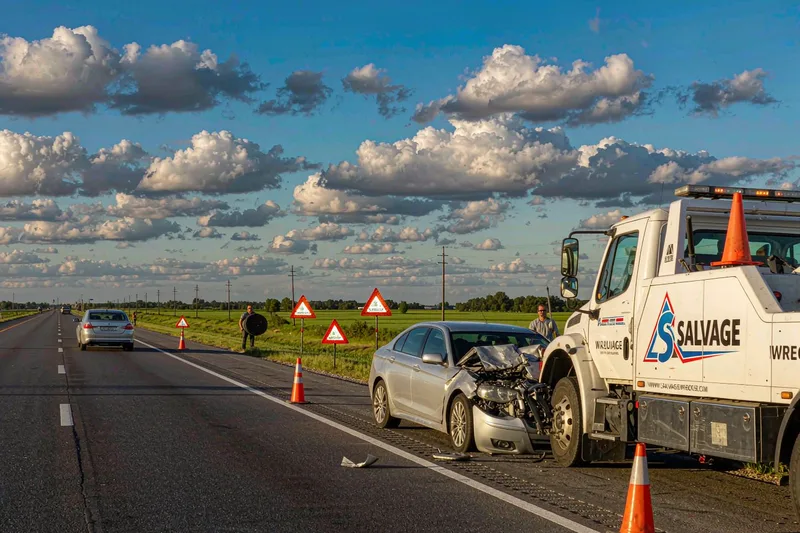
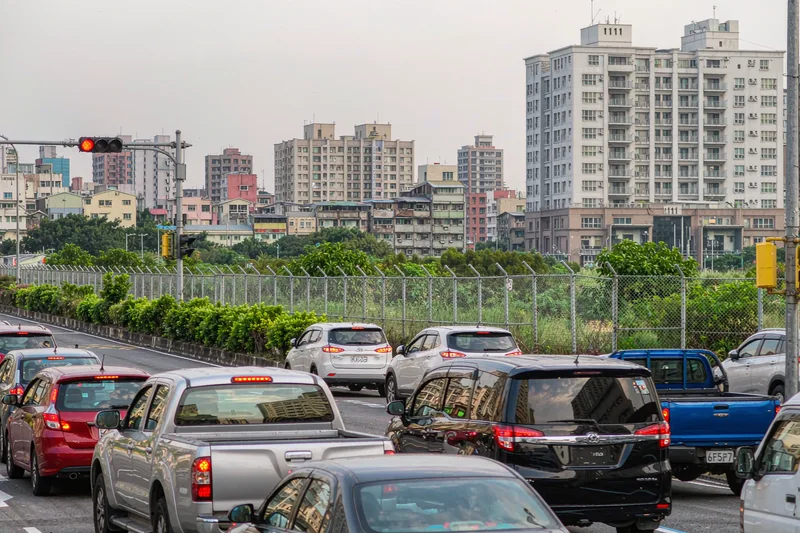
A dent the size of a wallet and a rear bumper folded under feel like different universes, yet both can pull you into the same claims machinery. The size of the damage is a poor predictor of whether you need a lawyer, because the cost usually arrives later as medical bills and disputed liability rather than the repair estimate you see that afternoon.
When the Claim Stalls or Gets Denied
If the other insurer stops returning calls, lowballs the repair, or denies the claim outright, you have hit the point where a professional changes the math. Adjusters are trained to close files cheaply, and a letter from a licensed attorney carries a weight your emails do not. Many firms take property-damage-only disputes on a limited basis, so the cost may be smaller than the amount being withheld.
Injury Symptoms Hide for Days
The most expensive mistake after a minor crash is feeling fine, accepting a quick check, and waking up with neck pain on day four. Soft-tissue injuries commonly surface well after the adrenaline fades, and a signed release can bar you from claiming them later. If you have any ache within a week, see a clinician and keep the record before you agree to anything final.
The Other Driver Already Lawyered Up
When the at-fault party has representation and you do not, the conversation is no longer between two drivers comparing notes. Their attorney protects their client's interest, which usually means minimizing what you recover. Matching that with your own counsel is less about aggression and more about not negotiating from a disadvantage you did not choose.
What a Consultation Actually Costs
Most personal-injury consultations are free, and the contingency model means you pay only if there is a recovery, typically a percentage rather than an hourly bill. That structure exists precisely so an injured person without cash on hand can still be represented. The risk worth weighing is not the consultation fee, which is usually zero, but whether the case is large enough to interest a firm at all.
The Math of a Truly Small Case
If the damage is a scratched bumper, the other insurer has accepted fault, and nobody is hurt, a lawyer adds little and may take a slice of a tiny pool. DIY works best there: get two repair quotes, keep the report, and settle directly. The line is drawn at disputed fault, any injury, or a claim that will not move on its own.
Read the situation as two questions: is someone hurt, and is the other side cooperating? If both answers are no, handle it yourself and save the fees. If either is yes, a free consultation is cheap insurance against a bill that arrives late and large. The worst outcome is guessing wrong and discovering it after the deadline to act has passed.
Before you decide anything, call three local firms and ask only two questions: do you handle matters this small, and what is the total I would owe if we settle quickly. The answers reveal whether your case is worth their time and where the floor cost sits, with no commitment on your side. Most people skip this and either overpay or walk in unprepared; that five-minute round of calls removes the guesswork and shows you the real range before you sign a single paper with anyone.