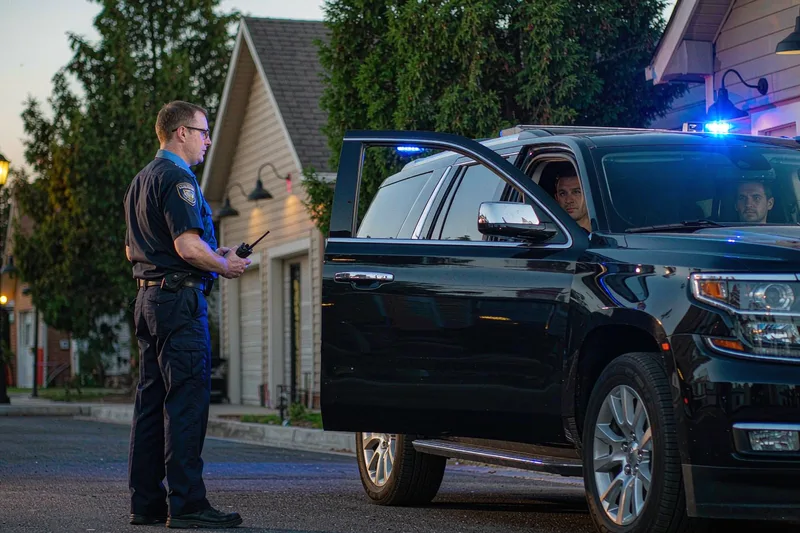
A single open bottle in the passenger footwell can turn a normal drive into a citation, even when every person in the car is sober. Open container laws are written to be simple on purpose, and that simplicity is exactly what catches drivers who assumed the rule only applied to the one holding the drink in hand.
Where the Line Is Drawn
Most states forbid an open container of alcohol in the area of the vehicle the driver or passengers can reach, which means the cabin and often the glove box, not the locked trunk. The definition of open is broad: a broken seal, a missing cap, or a cup with liquor in it all count. The rule targets accessibility, not the level of impairment of anyone inside.
The Passenger Exception
A few states permit passengers to hold an open drink only in vehicles like limousines or hired cars, while most extend the ban to everyone inside a standard car. The distinction matters because the passenger who assumes they are exempt can create the citation for the driver. Knowing which camp your state falls in prevents the avoidable stop that follows a visible bottle.
How It Triggers a Bigger Stop
Officers treat a visible open container as a reason to look closer, and that second look is where a routine stop becomes a DUI investigation. The bottle is often the opening that leads to questions about who was drinking and when. What starts as a minor infraction can widen into a far more serious inquiry that the driver did not expect from a short drive.
Penalties and the Record
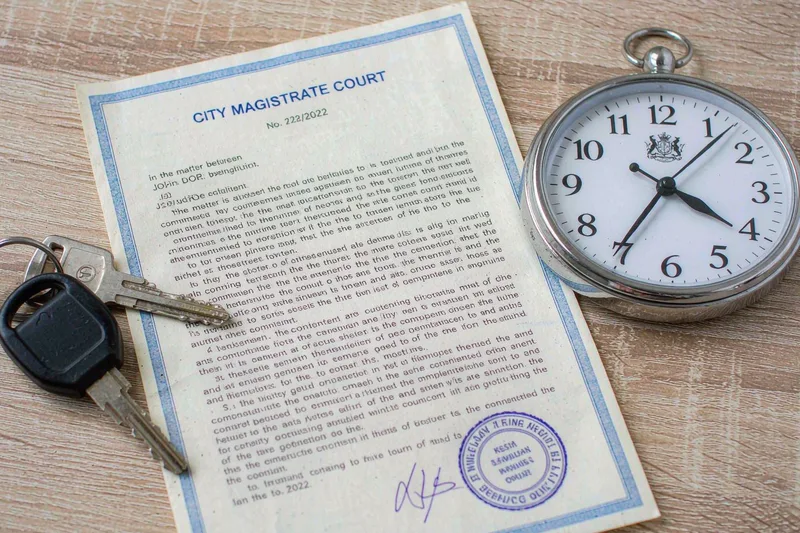
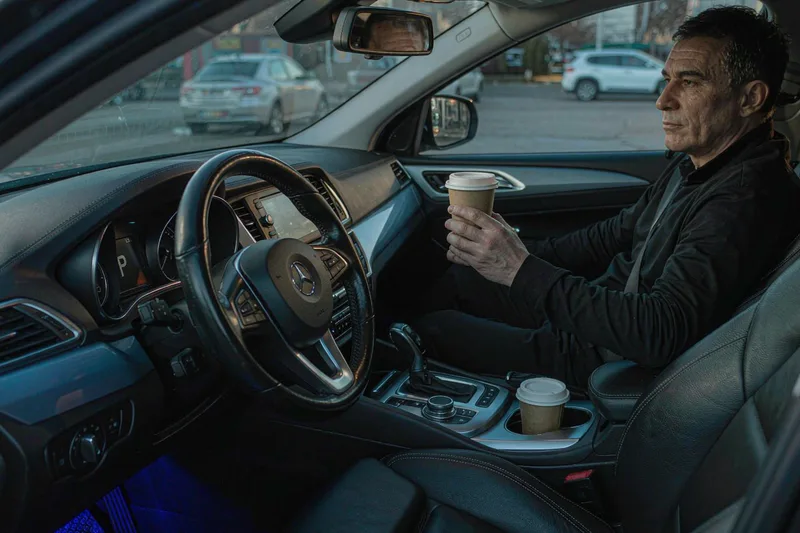
The standalone violation is usually a fine, yet it can add points or a court date depending on the state, and it sits on the record alongside anything else from the stop. The cost is rarely only the ticket; the secondary consequences are the part drivers underestimate. Treat the bottle as a small risk that carries a large downstream effect on the license.
Storing It the Right Way
The reliable fix is to keep any alcohol sealed and in the trunk or another unreachable compartment before you start the car, and to finish the drink before entering the vehicle. That single habit removes the trigger for the stop and the questions that follow. A sealed bottle in the back is the difference between a quiet drive and a roadside conversation you would rather avoid.
Open container rules are about access, not impairment, so the sober driver is still at risk if the bottle is within reach. Learn the line your state draws, never assume the passenger is exempt, and store the drink where the law agrees it belongs. The citation is easy to avoid and expensive to underestimate, and a sealed container in the trunk is the simplest defense there is against the stop.
If you are pulled over with a sealed bottle in the cabin, say nothing about it beyond handing over the required documents, because explaining where you bought it invites the officer to look harder than the stop requires. The safer habit is to move any alcohol to the trunk at the start of the trip, so the question never arises. A minute of planning at the curb before you leave prevents the stop that a visible bottle would otherwise guarantee.