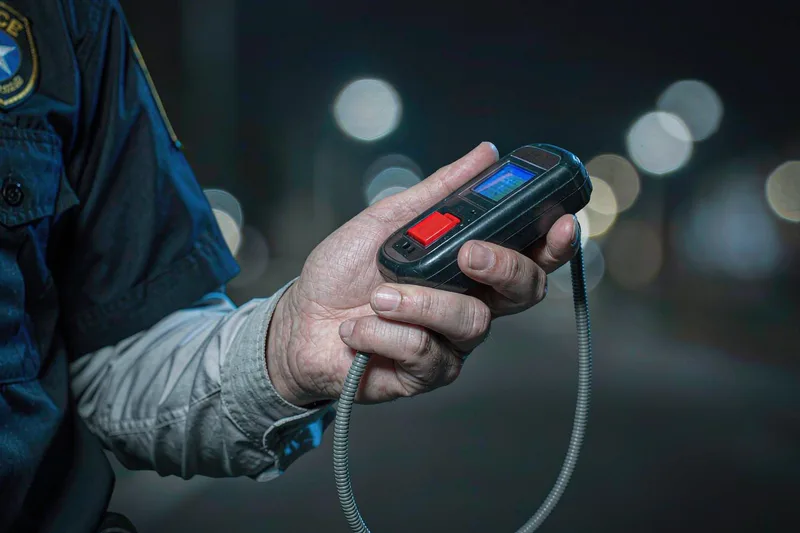
The week after a first arrest is quieter than people expect, and that quiet is exactly when early mistakes get made. Most first-time defendants are released the same night, often on their own recognizance, with a court date stamped weeks or months out. Nothing happens immediately, which tricks people into thinking nothing will. The clock that matters is the one on your license, not the one on the calendar.
The License Deadline Beats the Court Date
In a large number of states you have only a short window, frequently around 10 days from the arrest, to request a separate hearing about your driving privileges. Miss it and the suspension can begin on a schedule you never argued against. This administrative step runs parallel to the criminal case and is easy to forget because no one at the jail mentions it. The court date you were given is for the charge; the license hearing is a different door with its own clock.
What the Charging Papers Actually Say
Within days the prosecutor's office files the formal complaint, and the statute number on it tells you more than any news summary. A first offense in many states is a misdemeanor carrying potential jail time that is rarely used, plus fines, classes, and a suspension that can often be shortened with an ignition-interlock device. Reading the document yourself, instead of relying on the arrest report summary, shows you which program you might qualify for before you speak to anyone.
Calling a Lawyer Sooner Saves the Hearing
The single most useful call in this window is to a defense attorney who handles these cases locally, because they know the county's usual offer and the hearing deadline you are about to miss. Public-defender eligibility depends on income and is not automatic at arraignment. Waiting until the court date to ask for help means the license hearing has already lapsed, and that is the part of the case you cannot undo by pleading later.
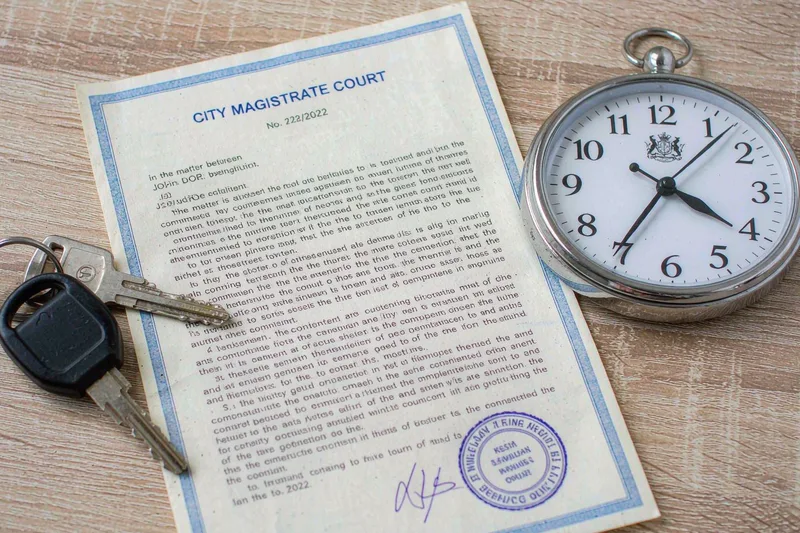
Small Moves That Protect Later Options
Write down everything you remember while it is fresh: the time of the stop, what the officer said, whether you ate or took any medication, and the exact BAC reading if one was given. Photos of the location and road conditions help more than you would think. Avoid posting about the night on social media; prosecutors in many counties review public profiles, and a careless caption becomes exhibit material you handed them for free.
The first week is about preserving choices, not winning the case. Request the license hearing inside the deadline, read the actual complaint, and talk to a local attorney before you say much of anything. Most first-time outcomes are negotiated, and the people who negotiate from the strongest position are the ones who treated the early window as the real deadline.
If family or an employer is asking what happens next, the honest answer is that nothing visible moves for a while, and that pause is the trap. The license side can be decided in days while the criminal side sits for months, so do not read the silence as the case being over. Set a reminder for the hearing deadline and the court date the moment you get home, because no one else will track both for you.