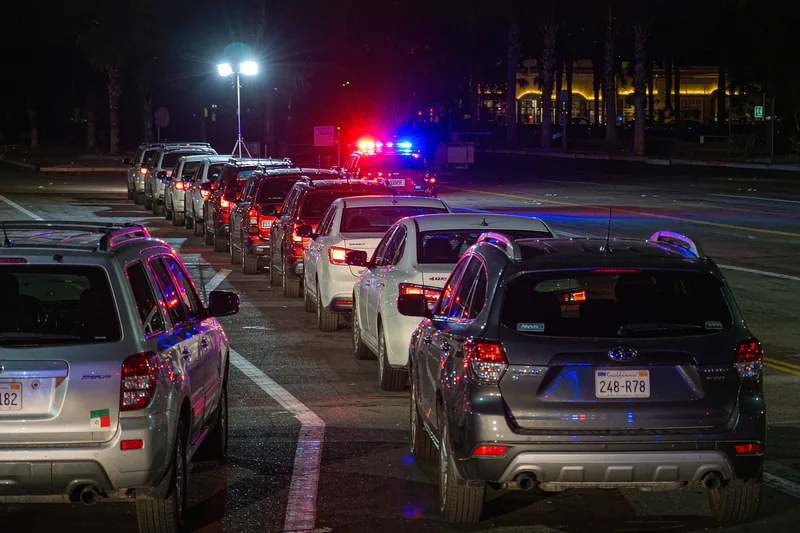
The sobriety exercises an officer asks you to perform on the roadside are not casual. They are a structured set of three standardized tests, each scored against a fixed list of clues that the officer is trained to count. Knowing what is being measured helps you understand why the result rarely matches how steady you felt standing there in the headlights.
The Three Tests Officers Use
Most stops use the horizontal gaze nystagmus test, where the officer watches your eye for an involuntary jerk as a stimulus moves side to side, plus the walk-and-turn and one-leg-stand exercises that measure balance and the ability to follow instructions. Together they form the battery taught in the national curriculum, and the same three appear in nearly every state that runs the program.
What the Clues Actually Measure
Each test carries a small set of clues, often two or three per exercise, and reaching a set number can support the officer's decision to arrest. The walk-and-turn, for example, scores missed heel-to-toe steps or using arms for balance, while the one-leg-stand notes sway or putting the foot down. The scoring is about observed signs, not your subjective steadiness after a long day.
Why the Score Feels Unfair
Plenty of sober people stumble through these exercises on a slanted shoulder in the dark, and the clues do not account for age, weight, or a medical condition that affects balance. A nervous driver can fail on nerves alone, which is one reason the tests support but do not decide a case. The number is evidence, not a verdict, and the jury hears it as one data point among many.
You Can Decline, With a Tradeoff
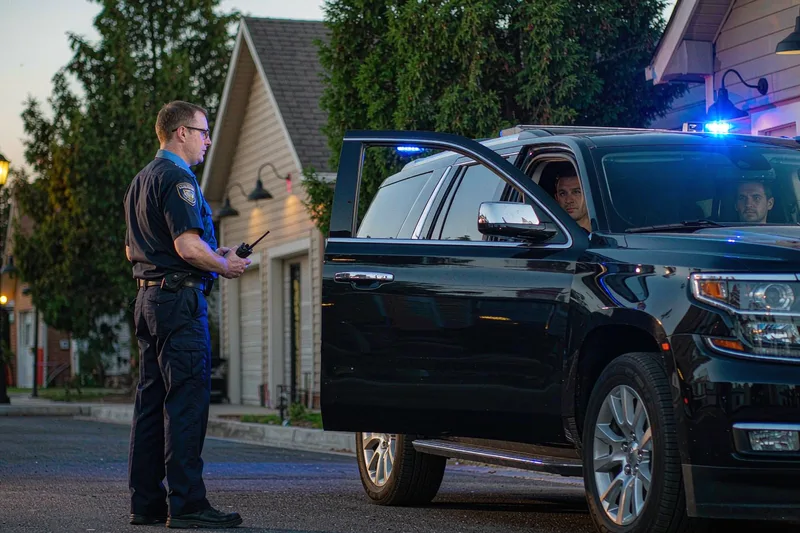
In most states you may refuse the roadside exercises, and doing so removes that evidence from the file, but it can trigger a separate inference or be noted against you, and it does not stop a later breath or blood test required by law. The choice is strategic, not free, and the trade should be weighed with a lawyer before you rely on it as a shield.
What to Do at the Roadside
Stay calm, follow lawful commands, and avoid volunteering commentary that the officer did not ask for, because casual talk is often the most damaging record in the file. If you decline the exercises, say so plainly and stop there. Write down the conditions, the commands, and the exact time once you are able, since those details fade faster than the charge itself.
The field tests are a scoring sheet, not a measure of how you feel, so treat them as the formal step they are. Learn the three exercises and the clues they count, decide on refusal with eyes open to the trade, and document the stop before memory edits it. The roadside is where the case starts, and the disciplined driver controls what gets written down there rather than what the officer assumes.
If you are unsure whether to perform the exercises, the safest move is to ask for the test to be recorded on the patrol camera and to note any uneven ground or poor lighting, because those conditions are exactly what the scoring ignores. A short written account kept on your phone the same night turns a fuzzy memory into a record your lawyer can use, and it costs nothing but a minute of calm while the stop is still fresh in your mind.