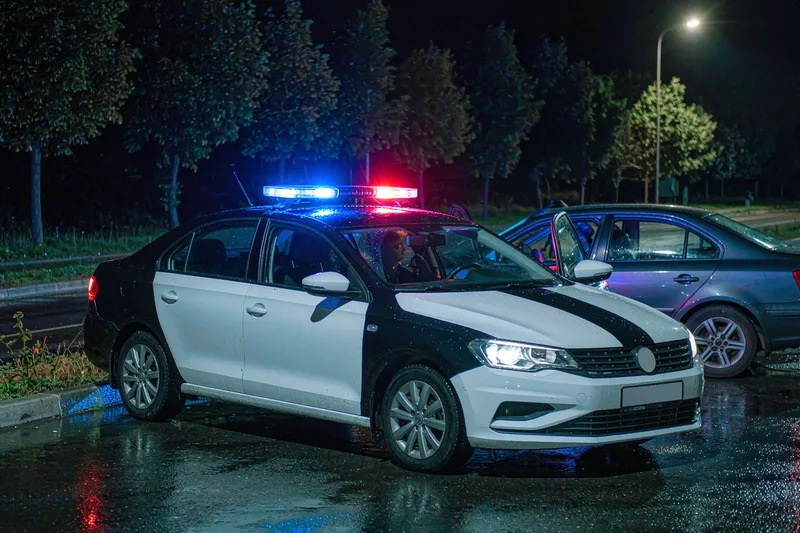
You see the cones ahead and the line of brake lights long before you reach the officer. Checkpoints feel different from a traffic stop because you did not do anything to be pulled over, and that difference matters for what the police can ask. Around 35 states permit these stops under guidelines that require them to be planned, publicized, and neutral in how cars are selected. The other states have banned them outright, which changes your rights the moment you cross that border.
What the Officer Is Allowed to Do
At a lawful checkpoint the stop itself is not a search, so the officer needs only a brief, standardized encounter: a license, registration, and a few questions about where you have been. If nothing suggests impairment, you are waved through. What they cannot do is pull you aside based on a hunch alone, or extend the stop to dig through the car without consent or a clear reason. The neutrality of the selection method, often every third or fifth car, is what keeps the stop constitutional in the states that allow it.
Where Your Rights Still Apply
You can decline to answer questions beyond identifying yourself, and you are not required to explain your evening to a flashlight at the window. Hand over the documents, keep your hands visible, and stay quiet if you choose. What you should not do is argue the legality of the checkpoint from the driver's seat; that disagreement belongs in a courtroom, not at the cone line, and a tense exchange is exactly the kind of thing an officer notes in the report.
The Breath Request Is a Separate Decision
Rolling down the window does not mean you have agreed to a breath test. The roadside screening device and the formal chemical test at the station are different steps, and the consequences of refusing each vary by state. Many states tie a refusal to an automatic license suspension through implied-consent laws, so saying no can cost your driving privileges even when the criminal case is weak. That trade is worth understanding before the window goes down, not during the stop.
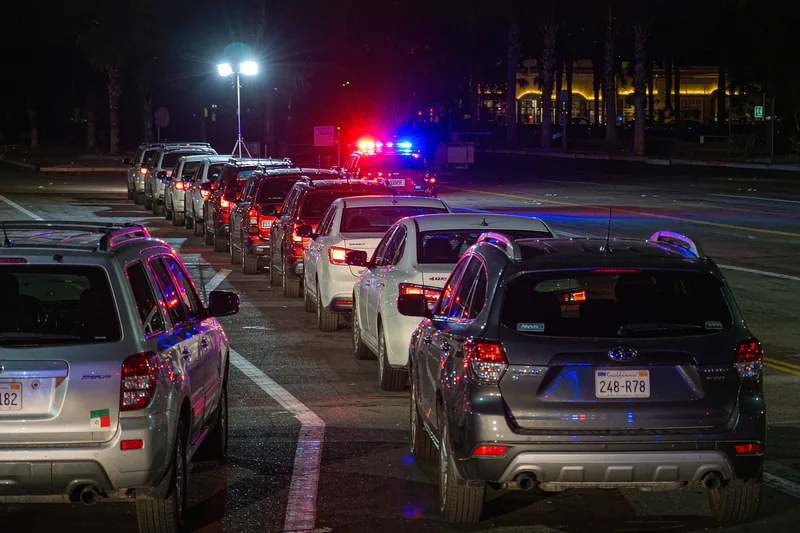
Staying Calm Is the Whole Strategy
The goal at the cone line is to get through it without giving the officer a reason to escalate. Speak in short answers, avoid sudden movement, and do not reach for your phone or glove box until asked. If you are asked to step out, comply and let your lawyer handle the rest later. A calm two-minute encounter rarely becomes a case; an angry one can hand the prosecution its opening paragraph.
Before you drive that night, check whether your state runs checkpoints at all, because the answer changes what you owe the officer. If they are legal where you are, rehearse the minimum: documents ready, questions minimal, breath decision made in advance. Write down the location, time, and any officer badge numbers if something felt off, since those details are hardest to recover a week later.
One more practical note: the right to stay quiet does not mean being difficult. Hand over the license and registration, answer only what identifies you, and let the silence do the rest. Officers write reports from what they observe, and a driver who is cooperative but quiet gives them far less to quote later. The aim is a short, uneventful encounter that produces no extra reasons to escalate.