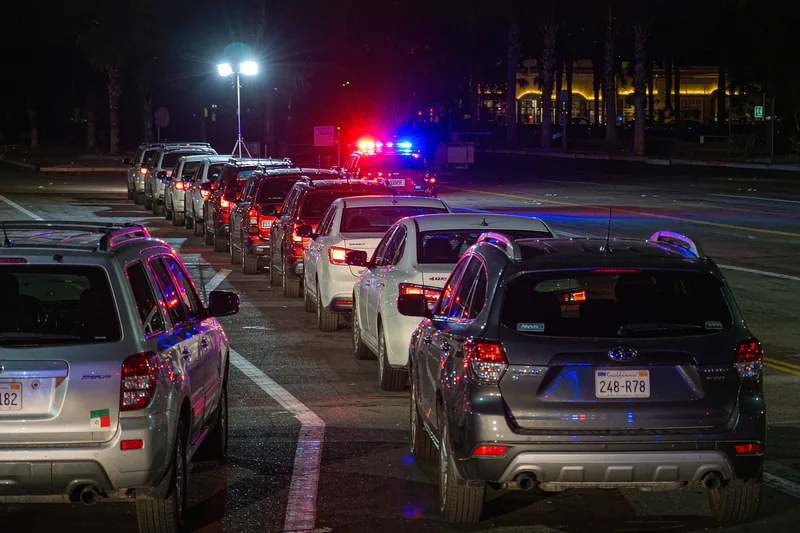
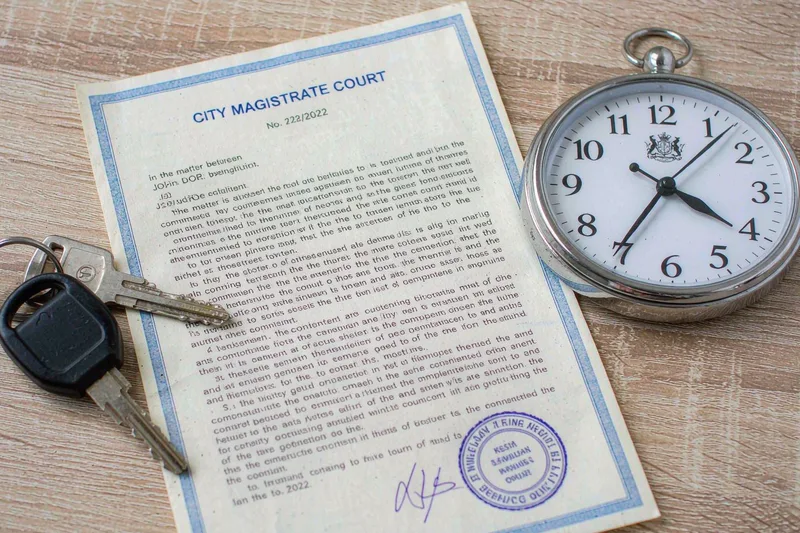
The question arrives at the worst moment, after the stop, through a window, with an officer describing the device. Refusing the roadside breath test feels like taking control, but in most states it triggers a separate penalty that runs whether or not you are later convicted. That penalty is the part people do not hear about until their license is already suspended, and by then the choice is locked in.
Implied Consent Is the Rule Behind the Refusal
By driving on a state's roads you are generally considered to have agreed in advance to chemical testing if arrested for impairment. Refusing is therefore not a right that leaves you untouched; it is a breach that many states punish with an automatic suspension, often longer than the one tied to a conviction. Some states stack the refusal suspension on top of any later conviction penalty, so the math can leave you without a license for a stretch measured in many months.
The Criminal Case Does Not Vanish
A refusal can make the prosecution's breath evidence weaker, since there is no number to argue about, but it rarely makes the case disappear. Officers document the refusal, and in many jurisdictions that refusal itself becomes admissible at trial as consciousness of guilt. Drivers sometimes imagine silence equals safety, when in fact the missing test is replaced by a different kind of evidence that a jury is allowed to weigh.
When Refusal Might Be the Better Bet
There are situations where refusing is arguably the less bad path, such as a lawful arrest that you believe lacked any real basis and where the chemical result would be unambiguously high. A handful of states also let you choose a blood draw over a breath machine, which can matter if the device's maintenance record is shaky. These are fact-specific calls, and the value of refusing depends entirely on what the prosecution could have shown with the number.
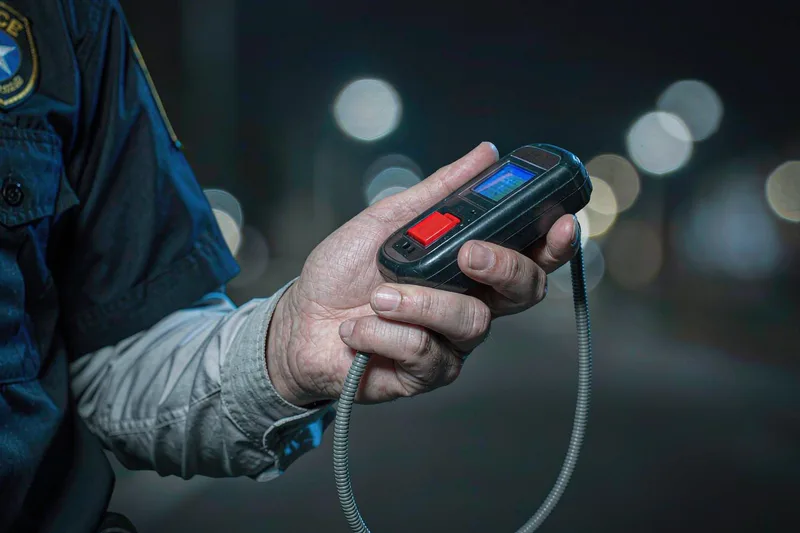
Decide Before the Window Rolls Down
The worst time to weigh this trade is in the moment, under pressure, with no plan. Learn your state's refusal penalty and its license-hearing deadline before you drive, because the two are linked and the deadline is short. If you are arrested, state your choice clearly and stop talking; the report will be written from what you said and did, not from what you meant to say.
Refusal is not a shield and not a confession. It is a swap: you give up the chemical evidence against you in exchange for an automatic administrative penalty you cannot easily undo. Make that swap on purpose, with the state's actual consequences in front of you, rather than by reflex at the side of the road where the cost is highest and the clock has already started.
If you are weighing this for a second time after a prior case, the math changes sharply, because many states treat a repeat refusal as aggravating and lengthen the suspension rather than shorten it. The trade that might have been defensible once becomes a heavier one the next time. Read the current statute for repeat offenders in your state before assuming the same choice carries the same price.