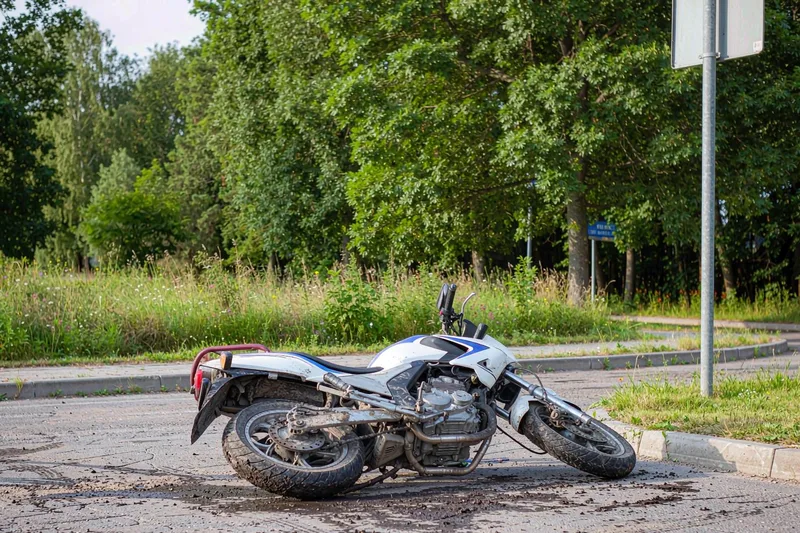
Being struck by a delivery driver raises a question an ordinary crash does not: which policy answers, the driver's personal auto or the company's commercial coverage. The answer turns on whether the courier was working at the moment of impact, and that single fact can open or close a much larger source of payment. The same truck hits you, but two very different insurers may be on the hook.
The Work Status Decides
If the driver was on an active delivery, the company's commercial or contingent policy often layers over the personal one, and that layer is usually the deeper pocket. Off the clock, only the personal auto applies, which may be thin against serious injuries. The app status at the time is the hinge of the whole claim and the first thing the insurers argue about.
The App and the Contingent Policy
Many delivery platforms carry a contingent policy that activates only while the app shows the driver on a job, with gaps between accepting and delivering that leave the personal policy primary. Those gaps are where claims fall into a coverage crack the driver did not know existed. The timing of the tap matters as much as the crash itself on the road.
Gathering the Employment Proof
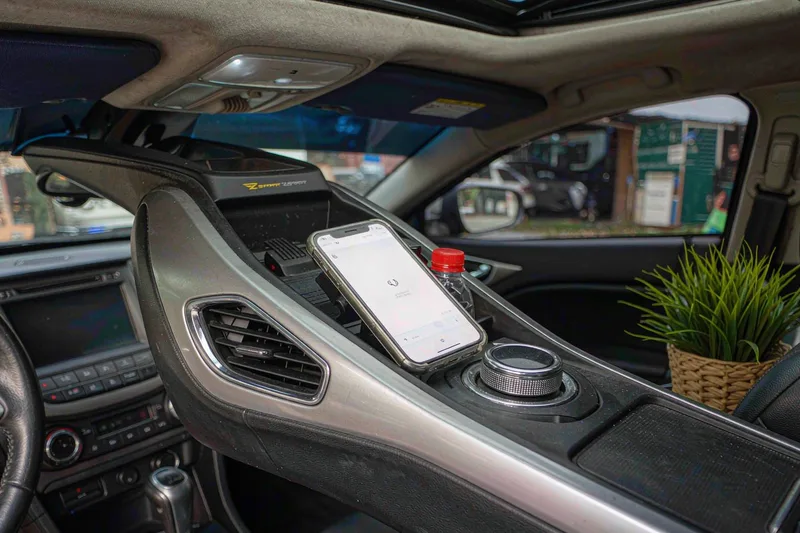
The injured party should capture the company name on the vehicle, the order or app screen if visible, and the driver's statement about being on a job, because that proof decides which insurer answers. The company will not volunteer the commercial coverage, and the personal insurer will point to the employer. The evidence you collect is what forces the right policy into the claim file.
Dealing With the Company Insurer
Once the commercial carrier is in, expect a slower and better-resourced opponent that contests work status aggressively to keep its policy out. The dispute is over the app record and the dispatch, not the crash itself. Holding firm on the proof of active delivery is what brings the deeper coverage to the table for the injured person.
Your Own Coverage as a Bridge
Your auto med-pay or uninsured coverage can cover immediate costs while the fault and employment questions resolve, then seek reimbursement from the responsible policy. The bridge keeps care moving without waiting on the insurer fight. The practical claim starts with what you carry, not what the courier does for a living.
A delivery crash is two claims in one, because the paying policy depends on whether the driver was working, so secure the proof of active delivery before the company disputes it. Learn the app's contingent gaps, gather the employment evidence at the scene, and use your own coverage to bridge the wait. The deeper commercial policy is real, but only if you show the driver was on the job when the impact happened.
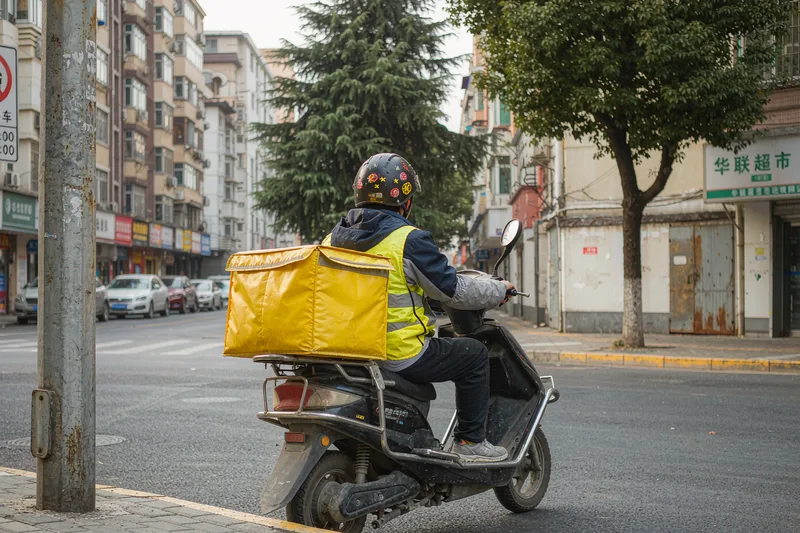
If a courier hits you, photograph the insulated bag or company logo on the vehicle and ask the driver plainly whether they were on a delivery, recording the answer if local law allows, because that statement is the cleanest proof of work status the commercial insurer will later try to deny. Note the time against the order if a witness saw the handoff, and keep the screen capture if the app is visible in the windshield. A few facts gathered calmly at the curb decide whether you recover from a thin personal policy or a well-funded commercial one.