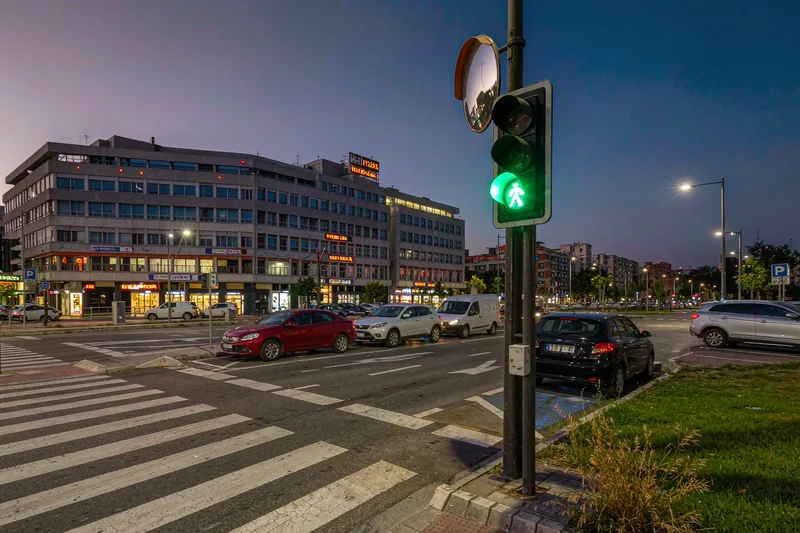
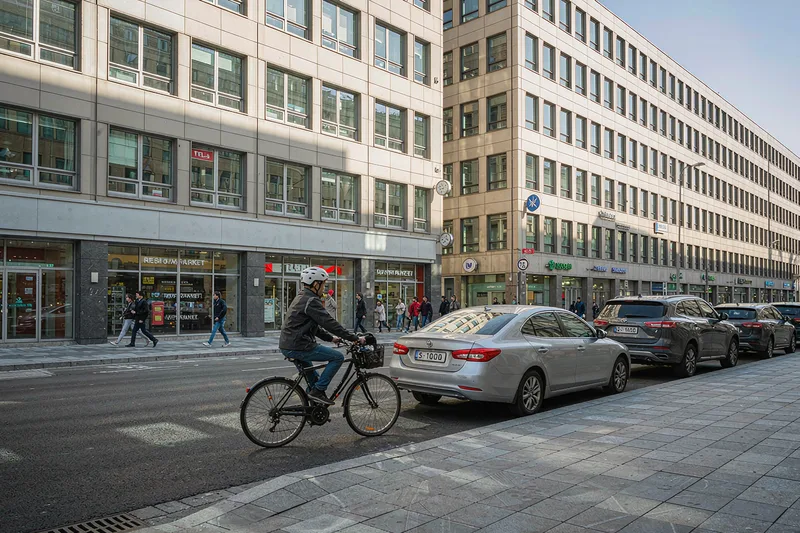
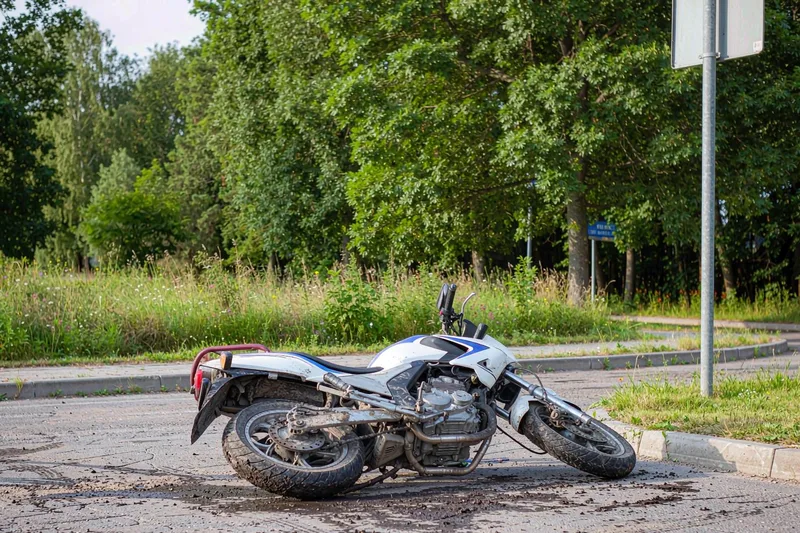
Riders account for a small fraction of vehicles but a disproportionate share of severe crashes, which is why motorcycle claims follow their own logic from the first report onward. The injuries are usually heavier, and the assumptions about riders run against them before a word is spoken.
Why These Claims Differ
The severity of typical injuries pushes claims into higher value ranges, which in turn makes insurers fight harder and scrutinize the rider more closely. A car-to-car fender bender and a motorcycle lay-down are treated by the same adjuster with very different gloves. The physical vulnerability of the rider is the feature that shapes both the harm and the dispute.
The Bias You Are Fighting
A persistent cultural assumption paints riders as reckless, and adjusters lean on it to argue the rider caused or worsened the crash. That narrative is precisely why clean evidence of the other driver's conduct matters more here than in a car case. A neutral witness statement or a camera clip does more to reset the story than any protest from the rider.
Helmet Laws and Your Recovery
In states with a helmet requirement, riding without one can reduce a head-injury claim under comparative-fault principles, even when the other driver caused the crash. The helmet question is separate from fault yet weighs on the payout, which surprises riders who assumed the other party's responsibility covered everything. Knowing the state's rule tells you where the insurer will aim.
Lane-Splitting Rules Vary
A handful of states permit filtering or lane-splitting, while most forbid it, and that single fact can assign fault the moment a rider was between lanes. The same maneuver is legal in one state and a citeable offense in the next, so the location of the crash is part of the liability answer. Riders who assume uniformity across state lines often misjudge their own exposure.
Proving the Other Driver's Error
Because rider accounts are discounted, the case rests on independent proof: skid evidence, the at-fault driver's admission, signal timing, or a dashcam from a third party. Gathering that promptly beats a later he-said argument the insurer is primed to dismiss. The disciplined rider documents the scene as if no one will take their word for it, because often no one will.
Motorcycle claims reward preparation over passion. Expect the bias, meet it with independent evidence, learn the helmet and lane-splitting rules that apply where you ride, and document before the road is cleared. The vulnerability that defines the risk is also what makes the evidence discipline non-negotiable.
Riders should fit a camera front and rear before the trip, not after the crash, because the footage is the one witness that cannot be argued with once tempers cool. The device that costs less than an hour of legal time frequently decides whether the claim is believed, and it only works if running before the incident. Mount it where it captures plate faces, not only the road, because that identifier turns a hit-and-run from a dead end into a solvable case.