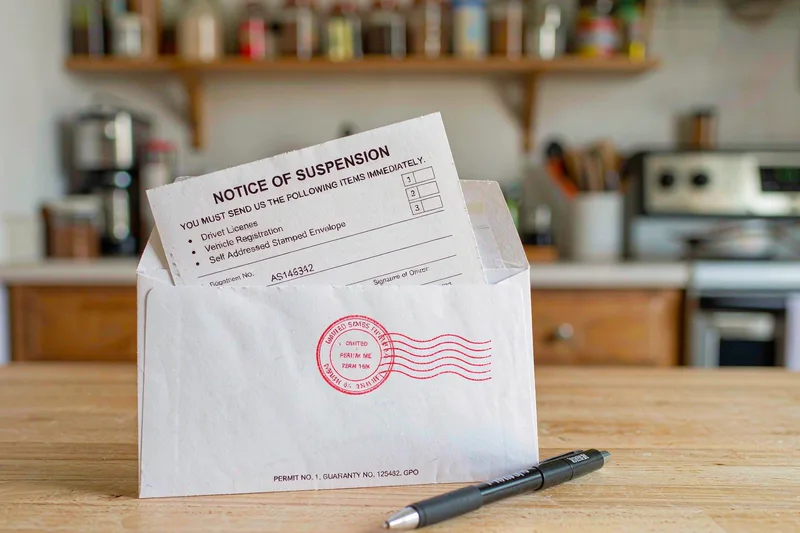
A speeding ticket picked up on a road trip does not quietly disappear when you cross the state line. Most states share driving records through an interstate agreement, so the home state learns of the violation and can assess its own penalties. The citation travels with your license, not your location, and the silence is only temporary.
The Compact That Shares Records
The agreement among states lets a home agency see convictions from elsewhere and apply its own point or surcharge rules as if the offense happened locally. A handful of states stay outside the full compact, but the trend is toward sharing, and assuming privacy is a gamble. The record follows the driver across borders without a fresh stop.
Points and the Home Surcharge
Your home state may add its own points for the out-of-state conviction, which can push a clean record into a suspension threshold you did not see coming. The double effect is the part travelers miss: the fine there and the points here. The remote ticket becomes local the moment the record syncs with your home agency.
The Warrant Risk of Ignoring It
Failing to answer an out-of-state citation can lead to a bench warrant that surfaces during a later stop at home, turning a small fine into an arrest. The unpaid ticket does not expire just because it is far away, and the warrant travels on the same record. Ignoring it converts a fee into a hold that follows you home.

Paying Versus Contesting
Paying the ticket is often an admission that still reports home, while contesting it remotely, by mail or counsel, can avoid the conviction that triggers the points. The choice shapes whether the home record moves at all. Treating the citation as a local formality is how the points arrive unnoticed on your license.
Checking Your Record After Travel
Order your home driving record a few weeks after resolving any trip citation to confirm what posted and whether the points applied. The mismatch between what you paid and what shows up is common and fixable only if caught. A quick record check closes the gap before it compounds into a suspension you did not expect.
Out-of-state tickets are home tickets in disguise, so assume the record shares and plan for the local points, not just the distant fine. Answer the citation rather than risk a warrant, weigh contesting to avoid the conviction, and review your home record afterward. The road trip ends, but the citation keeps moving until you resolve it on both ends of the line.
If you receive a ticket far from home, note the court date and the payment address before you leave the state, because the paper is the only reminder you will get and the agency will not chase you across the country politely. Mail the response with tracking or use the court's online system the same week, so the deadline passes with proof in hand. A short note to yourself with the case number prevents the warrant that a forgotten out-of-state fine quietly grows into.