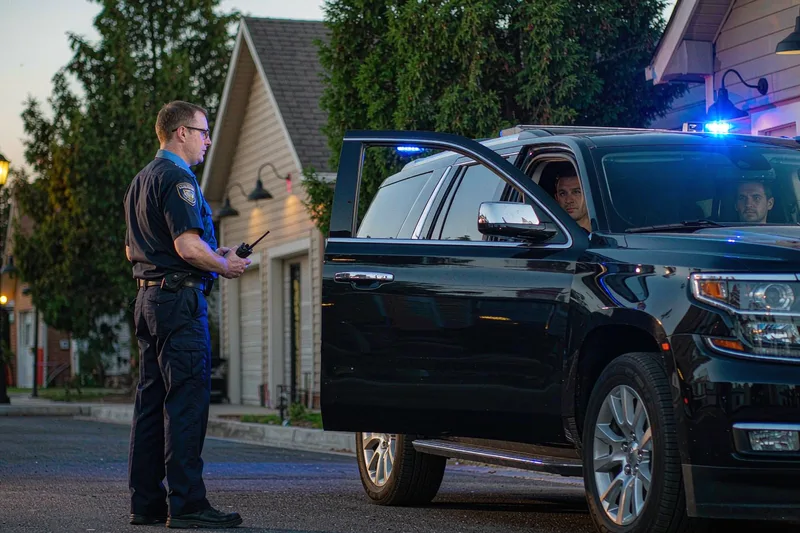
A DUI stop becomes a far more serious matter the moment a child is in the back seat. Many states add a separate child-endangerment count on top of the impaired-driving charge, which changes the plea, the potential jail time, and the agency that gets involved. What was a single bad night can become a case with family-court consequences attached.
The Extra Charge
The enhancement is usually a distinct misdemeanor or felony built around exposing a minor to danger, and it stacks on the DUI rather than replacing it. Some states apply it automatically once a child of a set age is present, while others leave it to the prosecutor's discretion. The second count is what transforms the sentence range and the court that ultimately hears it.
Why the Stakes Climb
Beyond the extra charge, a child in the car invites child-protective services into the matter, and that involvement can outlast the criminal case by months. The risk is no longer only a fine or a license loss; it is a record that follows the parent into custody and background checks. The exposure widens the moment the minor is named in the report by the officer.
What the Officer Documents
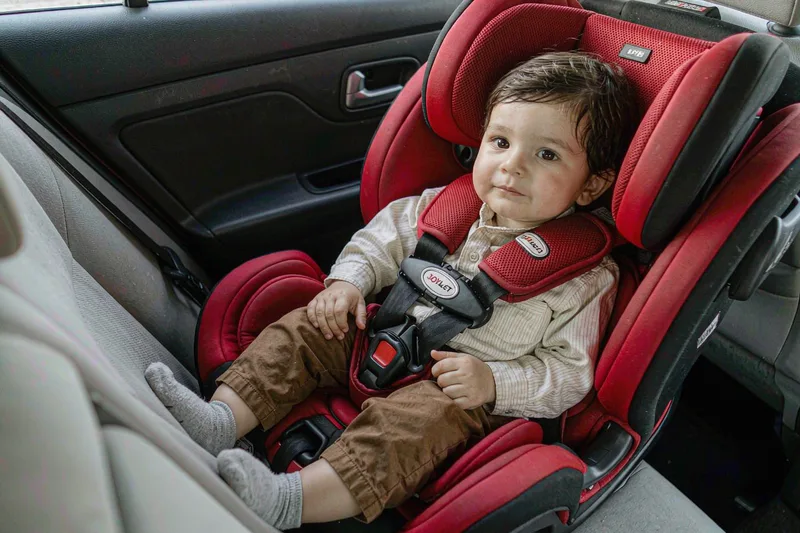
The age of the child, where they were seated, and whether they were restrained become central facts the report records, because those details drive the enhancement. A parent who assumes the officer will overlook the child is mistaken; the presence is often the first thing noted. The documentation is what later decides the level of the charge brought.
Defending the Enhanced Count
Defense work here focuses on whether the child was actually exposed to a substantial risk, not merely present, and on the reliability of the underlying stop. The added count is not automatic just because a minor was in the car, and challenging the stop can collapse both charges. The strategy is to attack the foundation before the enhancement is assumed by the court.
Planning Before the Drive
The obvious prevention is not to drive after drinking with a child aboard, yet the practical step is to arrange a ride or to leave the child with a sober adult before the first drink. No legal maneuver matches the value of never creating the scenario. A short call for a ride spares the family the cascade that follows the stop and the record.
A minor in the vehicle converts a DUI into a matter with stakes well beyond the driver's record, so treat the enhancement as a real and separate risk. Understand that the child-endangerment count stacks and invites family-court oversight, and that the defense turns on the stop itself. The cleanest answer is to keep the child out of the car when alcohol is involved, because no plea undoes the exposure the report creates.
If the stop has already happened, the priority is to stay quiet beyond lawful identification and to ask for a lawyer before answering questions about the child, because anything you say about the minor becomes part of the endangerment file. Write down the ages, seating, and restraints the moment you can, and keep that note for the attorney. A calm, minimal response at the curb protects the family far better than explanations that the officer will record and the prosecutor will later read back to you.