Bad weather rarely excuses a crash; it raises the standard of care instead of lowering it. A driver who says the storm made it unavoidable has actually described conduct that should have changed before the road got dangerous, which is the heart of how fault is judged in these cases.
Weather Is Not an Excuse
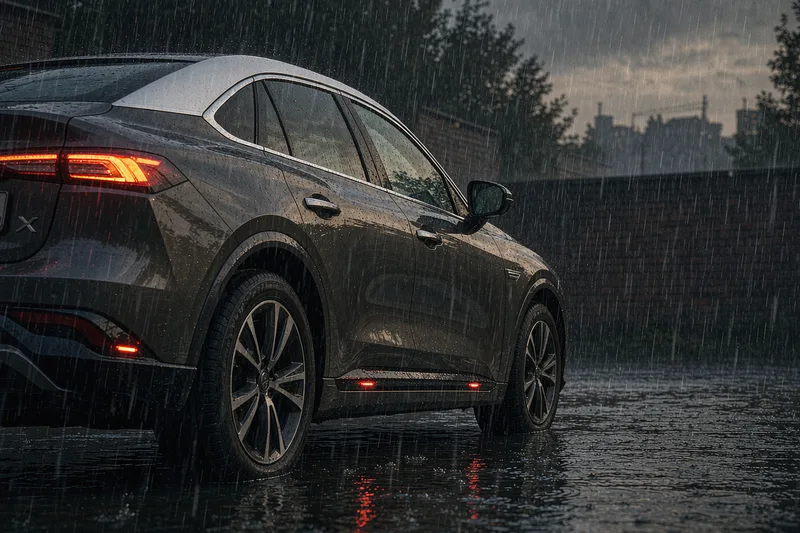
Every state expects a driver to adjust speed and following distance to conditions, so the defense that the road was slick only establishes what the driver should have anticipated. The storm is a known risk, not a surprise the law forgives. Comparing a clear-day crash to a whiteout one shows the same duty, merely a harder version the driver accepted by choosing to drive.
The Reasonable Driver Standard
Fault turns on whether a reasonable person would have slowed, deferred the trip, or increased the gap, and a jury weighs the driver's choices against that measure. The question is not whether the weather was bad, but whether the response matched it. A driver who maintained highway speed through a downpour has a hard time arguing the conditions, not the conduct, caused the harm.
Who Bears the Risk of Conditions
The party who could have prevented the loss by adapting usually bears it, which is why the faster or less cautious driver in a storm is seldom rescued by the weather. Two cars sliding on ice still triggers the usual fault inquiry into who braked late or entered the turn too quick. The elements change the difficulty, not the obligation to drive within them.
Evidence the Conditions Left Behind
Skid length, the absence of brake marks, and the road's actual state at the time, captured by photos or a weather report, become the core of the claim. Unlike a dry-road crash, here the environment is part of the proof, and documenting it quickly matters because the snow melts and the story hardens. A dated conditions record anchors the reasonableness argument better than memory.
Insurance and the Storm
An at-fault driver in weather is still at fault for their policy, so the other party's claim proceeds normally despite the conditions. The weather may explain the difficulty but does not shift the insurer's obligation, which is why citing the storm to an adjuster rarely moves the liability find. The policy responds to the conduct, and conduct in a storm is still conduct.
Treat weather as a factor that raises the bar, not one that lowers it. Slow to the conditions, document the road state at the time, and understand that the storm explains the challenge without erasing the duty. The driver who adapted is judged by a harder test they met; the one who did not is judged by the same test they failed.
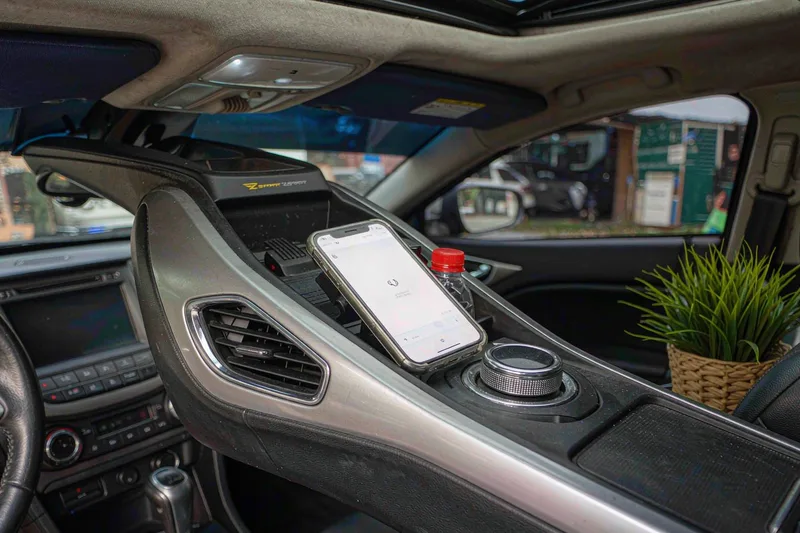
Drivers in storm-prone areas should keep a weather-service screenshot timed to the crash, because the official condition at that hour anchors your reasonableness better than memory ever will. The other party will argue you should have stayed home; the record shows what a reasonable driver actually faced at that minute on that road. A dated capture turns a he-said argument about the weather into a fact the adjuster must weigh on your terms, not on the story the other driver prefers to tell.